About this video
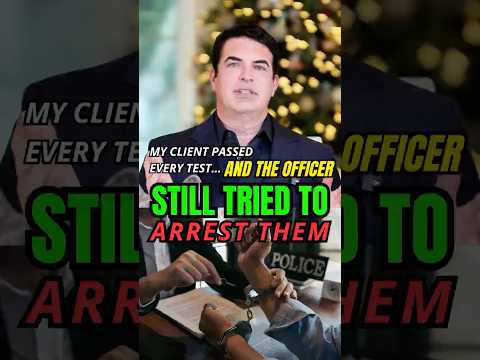
A discussion of police questions about the smell of alcohol during a DUI stop and a driver’s responses and right to remain silent.
- Length: 1:23
- Published: December 2, 2025
- Channel: Law Offices of David Chesley
Transcript
Read the transcript
Transcript of the video as published on YouTube on December 2, 2025.
Be silent when alcohol is smelled. And when you're pulled over and alcohol gets mentioned, your instinct is to defend yourself.
But that's the exact trap officers want you to fall into. The Constitution gives you a powerful right that drivers immediately surrender. That is the right to simply say, "I don't answer questions."
It sounds so simple, but it works because you cannot be forced to incriminate yourself. When an officer claims they smell alcohol, they're fishing for a confession. If you lie and you say you haven't been drinking when you have, you've committed a crime.
If you admit to even one drink, you've just given them probable cause. But here's the third option most people never consider. Say nothing.
Staying silent prevents officers from twisting your words into admissions. The smartest move is knowing when to hand over your documents and when to stay silent. You can legally roll your window down just enough to pass your license and registration through, preventing officers from claiming they smelled alcohol.
Silence isn't being difficult, it's being smart with your constitutional rights. Police count on you not knowing this, but knowledge is your strongest defense. So ask yourself, would you rather learn your rights now or regret not using them while sitting in the back of a patrol car?
Where this video appears on our site
- DUI Lawyer
- DUI Lawyer Adelanto, CA
- DUI Lawyer Alameda, CA
- DUI Lawyer Alhambra, CA
- DUI Lawyer Anaheim, CA
- DUI Lawyer Antioch, CA
- DUI Lawyer Apple Valley, CA
- DUI Lawyer Arcadia, CA
- DUI Lawyer Azusa, CA
- DUI Lawyer Bakersfield, CA
- DUI Lawyer Baldwin Park, CA
- DUI Lawyer Banning, CA
General legal information, not legal advice. Laws and procedures can change; confirm current law with a qualified attorney.