
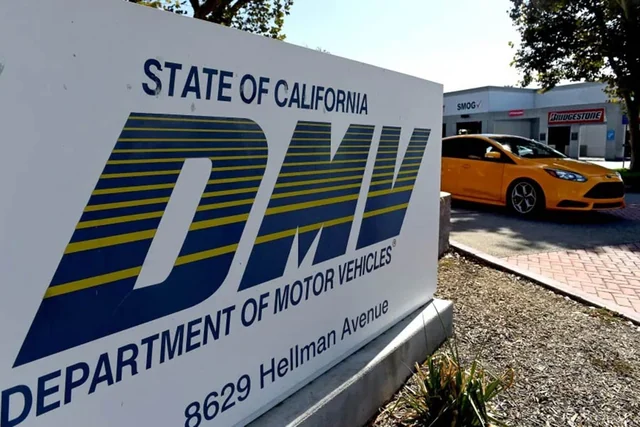
A California DMV Driver Safety hearing, including a hearing on a DUI suspension, can be held entirely or partly by phone or video. The hearing officer can choose that format, but you can object to a hearing held entirely by electronic means, and your hearing rights are the same either way.
The legal basis for a remote hearing
DMV’s own guidance on its hearing process says the Administrative Procedure Act, Government Code sections 11400 to 11528, together with Vehicle Code sections 14100 to 14112, governs Driver Safety hearings (DMV Driver Safety Administrative Hearing Process). A hearing on a DUI administrative suspension is held under those Vehicle Code sections (Vehicle Code section 13558(a)), and the Act’s general hearing rules apply to any state agency decision that a statute requires an evidentiary hearing to make (Government Code section 11410.10).
One of those rules, Government Code section 11440.30(a), provides that “the presiding officer may conduct all or part of a hearing by telephone, television, or other electronic means,” as long as everyone in the hearing can take part in and hear the whole proceeding as it happens and see the exhibits. That is the rule that makes a phone or video DMV hearing possible.
You can object to an all-remote hearing
The same statute limits that power. If a party objects to a hearing held entirely by electronic means, the hearing officer must consider the objection and has discretion to structure the hearing to address it, including requiring the officer, the parties, and witnesses, or some of them, to be physically present for all or part of the hearing (section 11440.30(b)). An objection is not an automatic right to appear in person, but it must be considered, so a remote format is not something you are simply stuck with if it will not work for your case.
If you do want an in-person hearing on a DUI suspension, Vehicle Code section 13558(b) says the hearing is held at a place DMV designates as close as practicable to where the arrest occurred, unless the parties agree to a different location.
What stays the same in any format
- DMV must set a time and place for the hearing and give you 10 days’ notice, and that notice must explain your discovery right to see DMV’s records ahead of time (Vehicle Code section 14104).
- The hearing is conducted by the director or by a hearing officer or hearing board drawn from DMV officers or employees, and the entire proceeding may be recorded (Vehicle Code section 14104.2).
- Notices and documents can be delivered personally or sent by mail or electronic means to your last known address, or to your attorney or other representative of record if you have one (Government Code section 11440.20(a)).
- After the hearing, the hearing officer makes findings and a decision and DMV notifies you (Vehicle Code section 14105(a)). If DMV upholds a DUI suspension, your temporary license is revoked and the suspension starts five days after DMV gives notice of the decision (section 13558(f)).
Your hearing rights do not shrink because you are on a call instead of in a room. DMV’s guidance lists the right to “be represented by an attorney or other representative, at your own expense,” to review DMV’s evidence and cross-examine its witnesses, to testify, to introduce evidence, and to subpoena witnesses and documents (DMV Driver Safety Administrative Hearing Process).
Preparing for a phone or video hearing
- Read your notice of hearing closely for the date, the time, and the place or the call-in or log-in details.
- Request DMV’s evidence early. DMV’s guidance says to ask for it no later than 10 days before your hearing.
- If you want to object to a fully electronic hearing, raise it as early as you can so the hearing officer has time to consider it and, if needed, restructure the hearing.
- Test your phone or device and connection, and have your documents and witness information ready. DMV’s guidance says that if you cannot attend, you must contact DMV before the hearing to ask for a continuance, and that if none is granted and you do not attend, the hearing goes forward without you.
What a remote hearing does not change
A phone or video format has nothing to do with the strength of DMV’s evidence or the issues the hearing officer decides. For a suspension based on a chemical test, those issues are whether the arresting officer had reasonable cause to think you drove in violation of the DUI laws, whether you were arrested, and whether your blood alcohol level was at or above the limit that applies to you (Vehicle Code section 13557(b)(3); section 13558(c)(2)). How to contest them is covered on DMV hearing defense. If the suspension is upheld, see DUI license reinstatement.
The Law Offices of David S. Chesley can review your notice of hearing and prepare your case for whichever format DMV sets. Call (800) 755-5174 to talk through your hearing.