













The legal alcohol limit for most drivers in California is a blood alcohol concentration (BAC) of 0.08 percent (Vehicle Code 23152(b)). The limit is 0.04 percent for drivers of commercial vehicles and for drivers with a paying passenger, such as rideshare and taxi drivers (23152(d) and (e)). Drivers under 21 face a 0.01 percent limit (23136) and a 0.05 percent limit (23140). You can still be arrested and charged with DUI below these limits if alcohol impaired your driving (23152(a)).
Reviewed by Attorney David S. Chesley,
Our law firm has been featured on
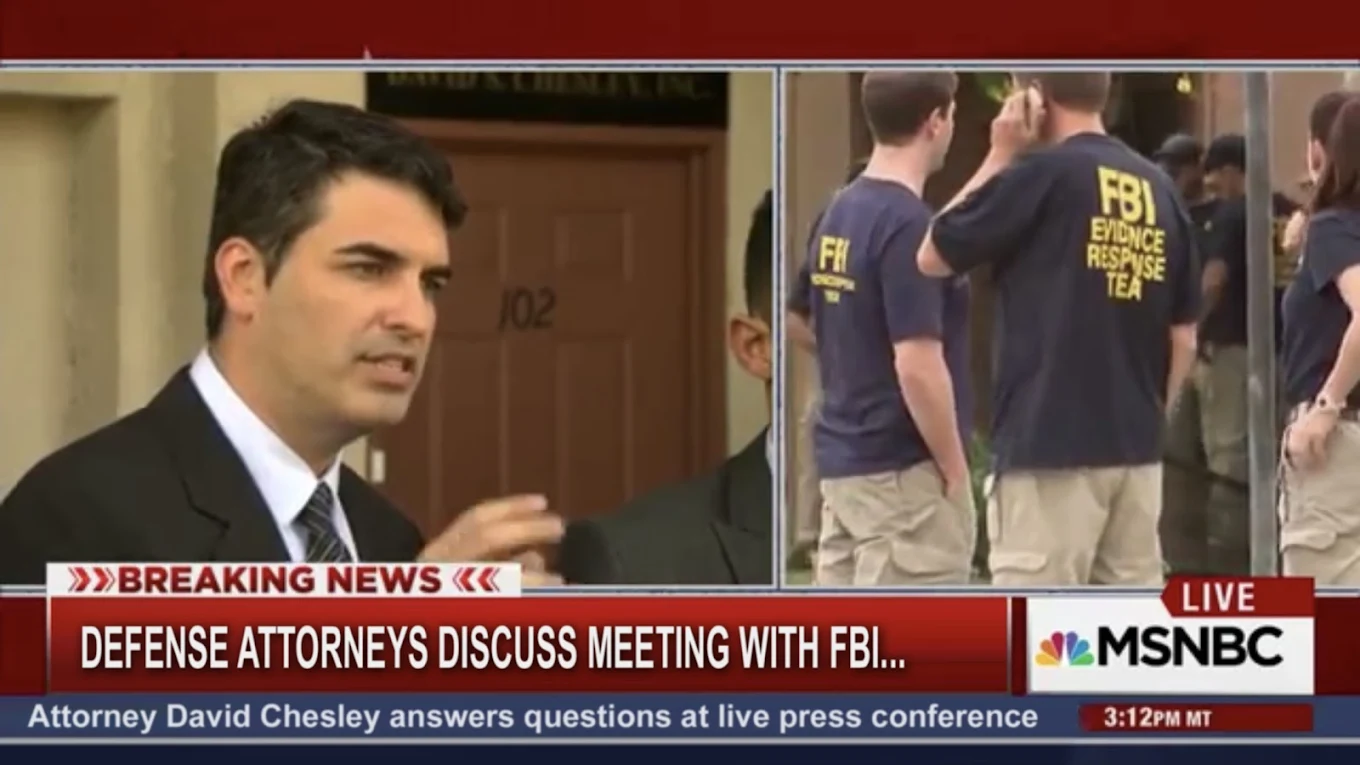
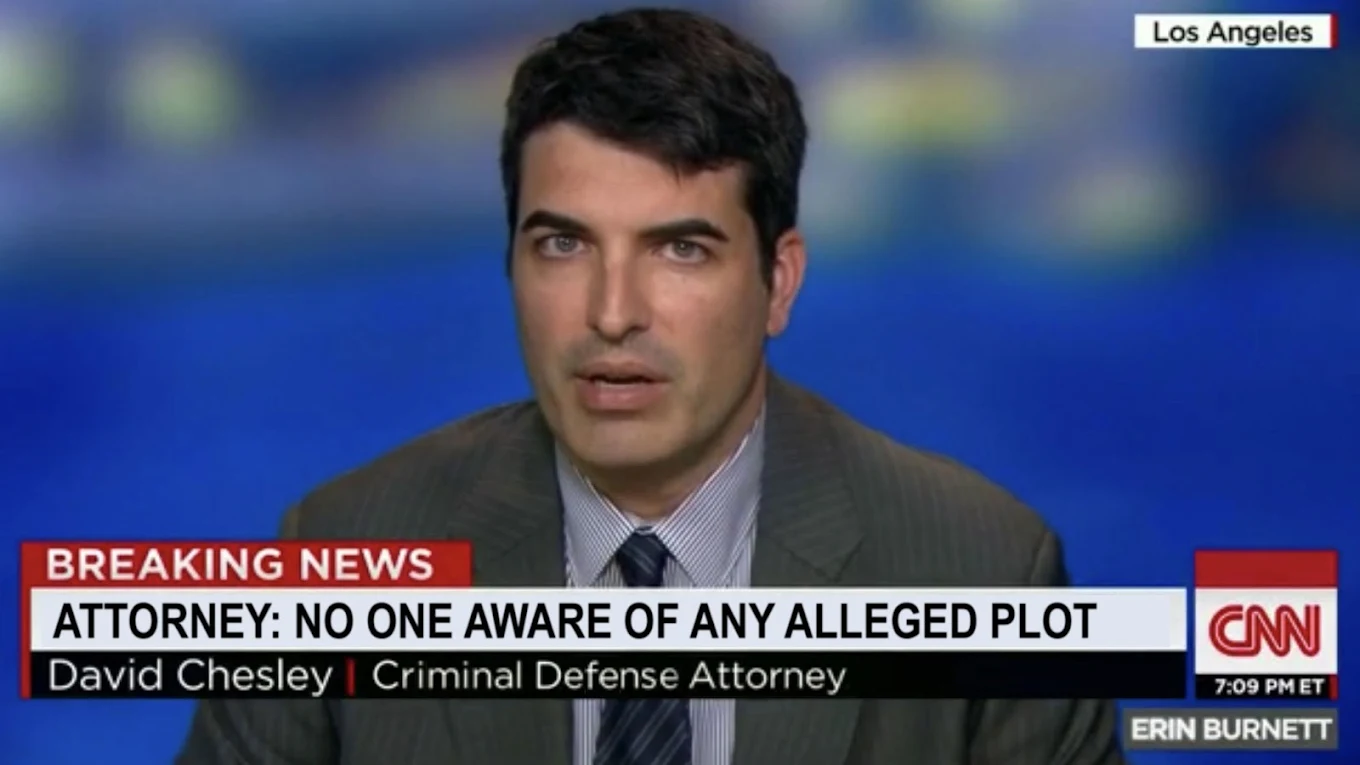
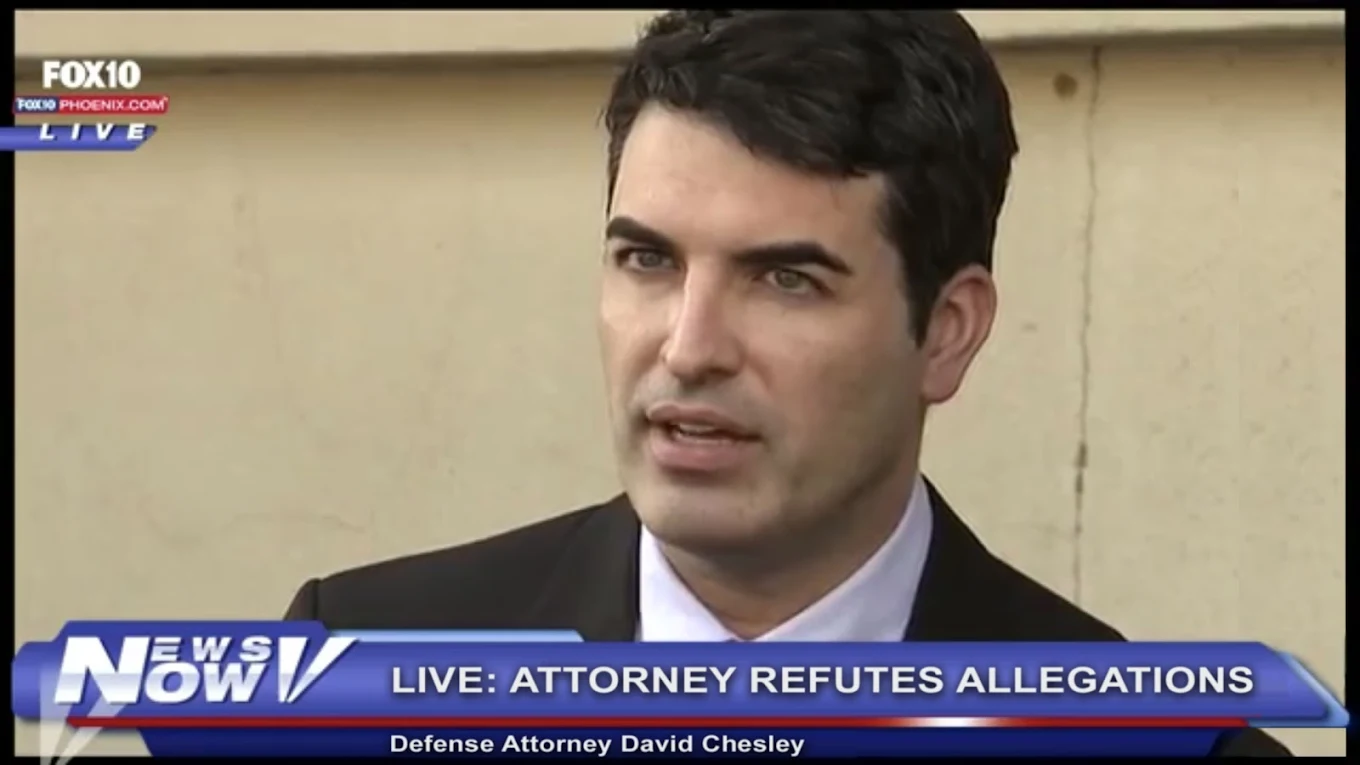
David Chesley in the news
Select a photo to enlarge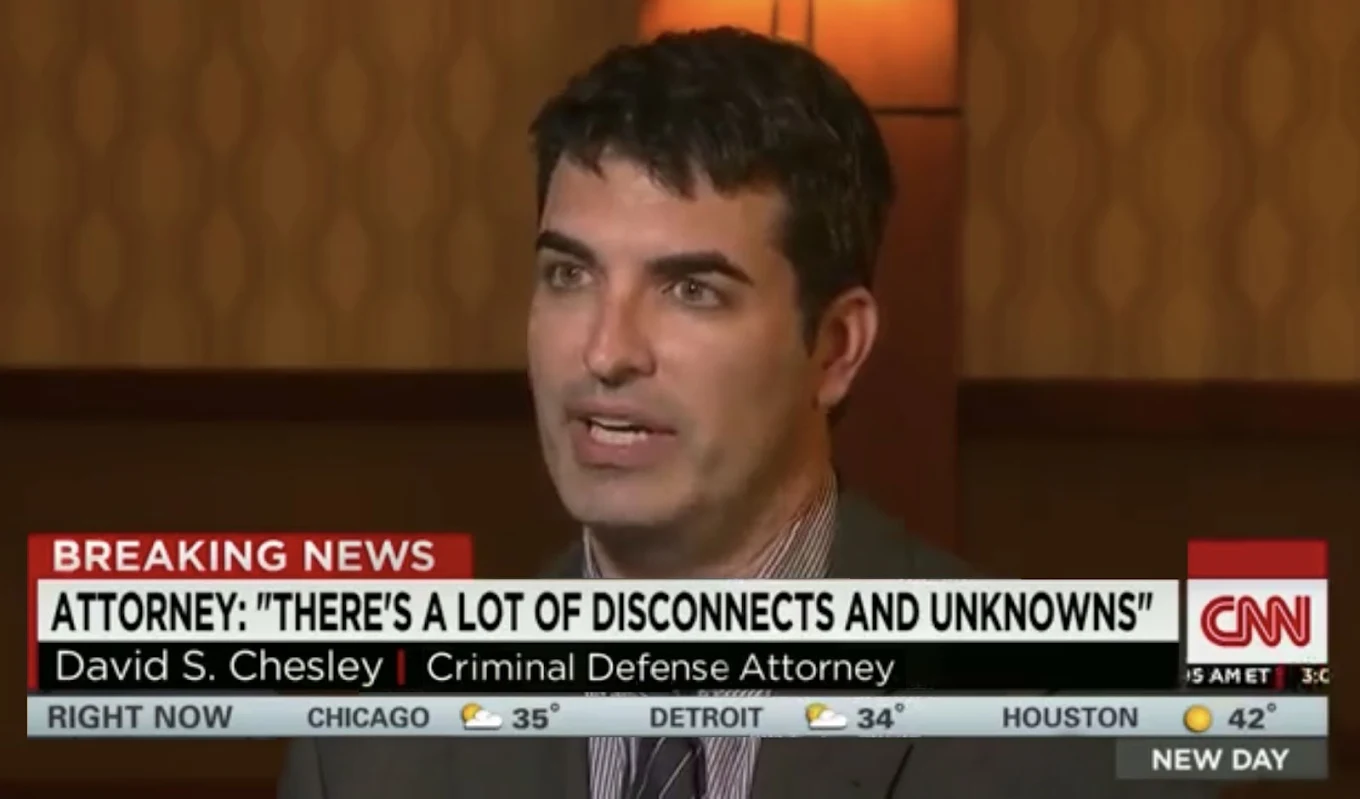
California BAC limits at a glance
| Driver | Limit | Law | What it means |
|---|---|---|---|
| Most drivers 21 and over | 0.08% | Vehicle Code 23152(b) | Driving at 0.08% or more is a DUI, whether or not you seem impaired |
| Commercial vehicle drivers | 0.04% | Vehicle Code 23152(d) | Applies while driving a commercial motor vehicle as defined in VC 15210 |
| Driving with a passenger for hire (taxi, rideshare, limo) | 0.04% | Vehicle Code 23152(e) | Applies when a paying passenger is in the vehicle |
| Under 21 | 0.01% | Vehicle Code 23136 | Leads to a license suspension by the DMV; not a criminal DUI by itself |
| Under 21 | 0.05% | Vehicle Code 23140 | A separate offense reported to the DMV |
| On probation for a prior DUI | 0.01% | Vehicle Code 23154 | Applies to people on DUI probation |
| Any driver | No number | Vehicle Code 23152(a) | Driving under the influence at any BAC is a DUI |
What BAC means and how it's measured
BAC is the amount of alcohol in your blood. California measures it in "grams of alcohol per 100 milliliters of blood or grams of alcohol per 210 liters of breath" (Vehicle Code 23152(b)). A 0.08 percent BAC means 0.08 grams of alcohol per 100 milliliters of blood.
How many drinks it takes to reach 0.08 depends on body weight, sex, food, the drinks themselves and time, so there's no safe number of drinks.
The law also lets a test taken later count back to the time of driving. If a chemical test within three hours of driving shows 0.08 percent or more, there's a "rebuttable presumption" that the driver was at 0.08 or more while driving (23152(b)). The defense can try to rebut that, for example with evidence of a rising BAC. See https://chesleylawyers.com/dui-lawyer-los-angeles/rising-blood-alcohol-defense/
Can you get a DUI under 0.08?
Yes. Vehicle Code 23152(a) makes it unlawful to drive "under the influence of any alcoholic beverage," and that subsection has no number. A driver at 0.06 who weaves, fails field sobriety tests or causes a crash can be charged. A result under 0.08 is still evidence for the defense. For the full rules, see https://chesleylawyers.com/answers/dui-with-bac-under-008-california/
How police test BAC in California
Roadside breath test (PAS). Officers may ask for a preliminary alcohol screening test at the roadside. For drivers 21 and over who aren't on DUI probation, this roadside test is generally optional. Drivers under 21 are required to take it when lawfully detained under 23136 (23136(c)).
Breath or blood test after arrest. After a lawful DUI arrest, California's implied consent law requires a chemical test of breath or blood. If you choose breath, the officer may still request blood if drugs are suspected. See https://chesleylawyers.com/answers/choose-breath-or-blood-test-dui-arrest-california/
Refusing a test. Refusing the post-arrest chemical test can lead to a longer license suspension or revocation and can be used against you in court. See https://chesleylawyers.com/dui-lawyer-los-angeles/refusal-cases/
How a BAC result can be challenged
- Machine and calibration records. Breath devices must be maintained and calibrated under Title 17 of the California Code of Regulations. See https://chesleylawyers.com/dui-lawyer-los-angeles/breathalyzer-test/
- The observation period. Officers must watch the driver before a breath test so mouth alcohol doesn't skew it. See https://chesleylawyers.com/dui-lawyer-los-angeles/mouth-alcohol-defense-to-dui/
- Blood sample handling. Chain of custody, storage and retesting. See https://chesleylawyers.com/dui-lawyer-los-angeles/dui-blood-test-defense/
- Rising BAC. A result above 0.08 at the station may not reflect BAC at the time of driving.
- Medical conditions. Some conditions can affect breath results. See https://chesleylawyers.com/dui-lawyer-los-angeles/medical-conditions-as-a-defense-to-dui/
What happens after a DUI arrest in Los Angeles
A DUI arrest starts two separate cases. The DMV case can suspend your license. To ask for a DMV hearing, you must make the request within 10 days of receipt of the suspension or revocation order (Vehicle Code 13558), not 10 days from the arrest. See https://chesleylawyers.com/dui-lawyer-los-angeles/dmv-hearing-defense/ The criminal case is filed by the Los Angeles City Attorney for arrests inside the City of Los Angeles and by the District Attorney or a city prosecutor elsewhere in the county. It's heard at the Los Angeles Superior Court courthouse for the area of the arrest. Arrests on LA freeways are usually made by the CHP. Arrests on city streets are made by LAPD or the Sheriff's Department, including at DUI checkpoints. See https://chesleylawyers.com/dui-lawyer-los-angeles/
Frequently asked questions
What is the legal alcohol limit in California?
0.08 percent BAC for most drivers 21 and over, 0.04 percent for commercial and passenger-for-hire drivers, and 0.01 percent for drivers under 21.
Is 0.05 legal in California?
For a driver 21 or older, 0.05 is below the 0.08 limit, but you can still be charged with DUI under Vehicle Code 23152(a) if alcohol impaired your driving. For a driver under 21, 0.05 is over both underage limits (23136 and 23140).
What is the legal limit for Uber and Lyft drivers?
0.04 percent when a paying passenger is in the car (Vehicle Code 23152(e)).
What is the legal limit for a CDL driver?
0.04 percent while driving a commercial motor vehicle (Vehicle Code 23152(d)). See https://chesleylawyers.com/dui-lawyer-los-angeles/commercial-driver-cdl-dui/
What is the legal limit if you're under 21?
0.01 percent under Vehicle Code 23136, with a separate 0.05 percent offense under 23140. Underage drivers at 0.08 or more can also be charged with a regular DUI. See https://chesleylawyers.com/dui-lawyer-los-angeles/underage-dui/
How long does it take to get under 0.08?
It depends on the person and what they drank. The body clears alcohol at roughly a steady rate, and nothing speeds it up.
Can I refuse a breathalyzer in California?
The roadside screening test is generally optional for drivers 21 and over who aren't on DUI probation. The chemical test after arrest isn't; refusing it has its own penalties.
Does a BAC under 0.08 mean my DUI will be dismissed?
Not automatically. It's strong evidence for the defense, but the prosecutor can still proceed under Vehicle Code 23152(a).