
















Overview
"Internet crime" covers any offense committed with a computer, phone or online account: unauthorized access to a system, threatening messages, a fake profile, sharing private images, a chat with someone believed to be a minor, or a phishing scheme. The same conduct can be charged under California law, federal law, or both. The evidence is mostly digital: account records, IP logs, device downloads and screenshots.
Reviewed by Attorney David S. Chesley,
Our law firm has been featured on
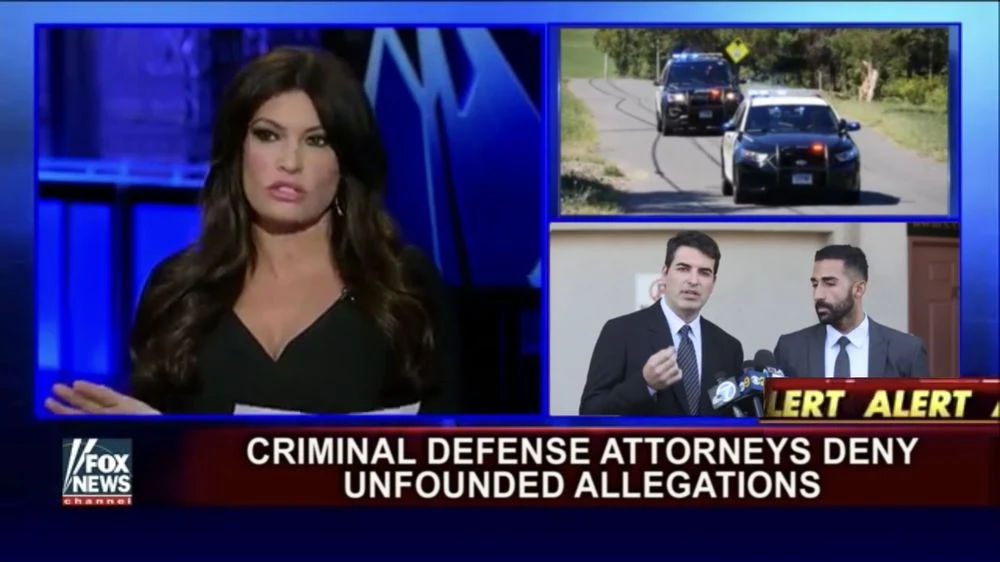
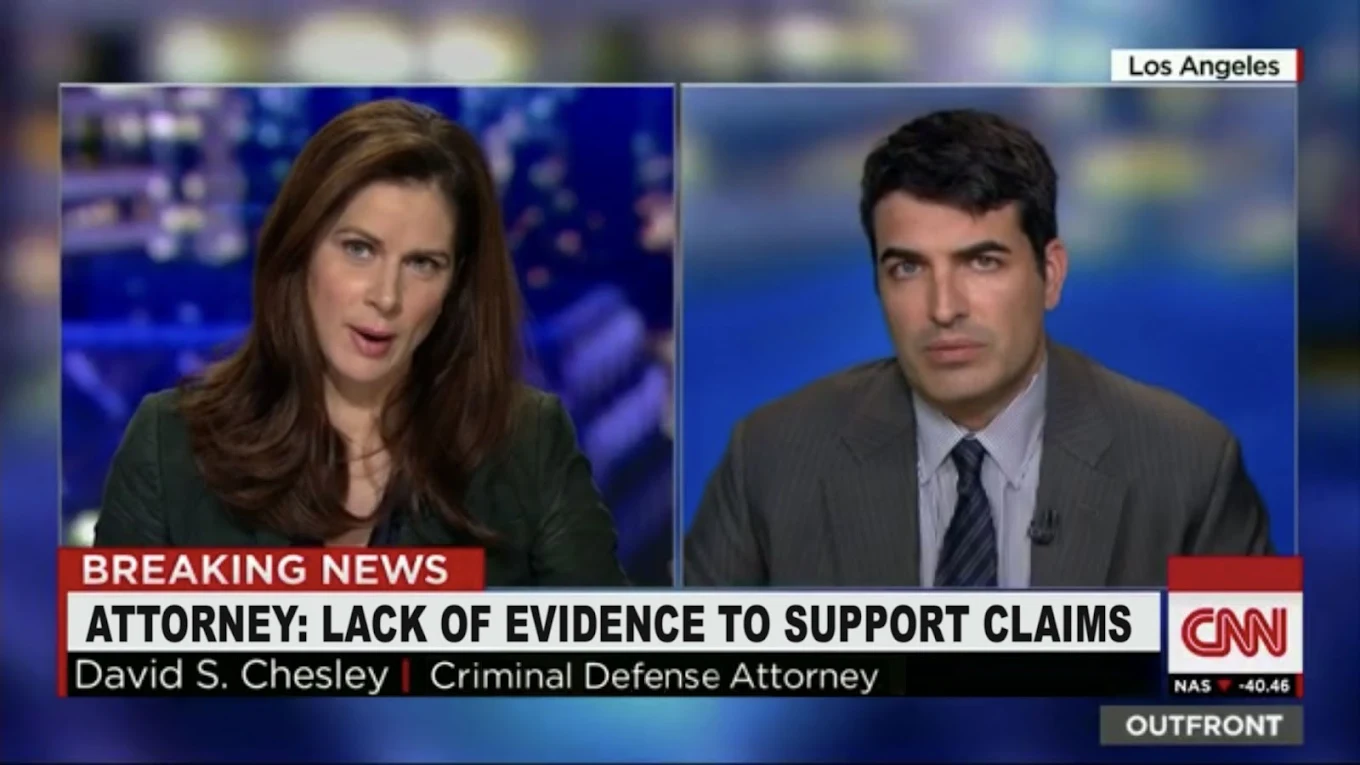
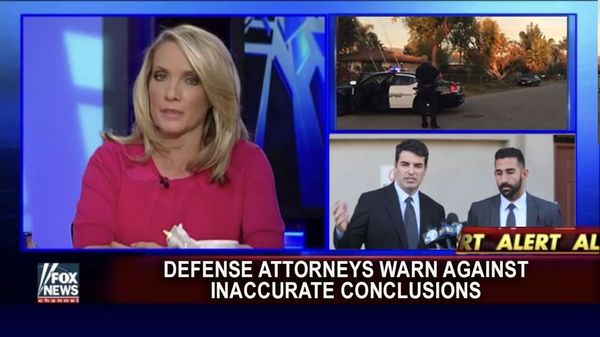
David Chesley in the news
Select a photo to enlarge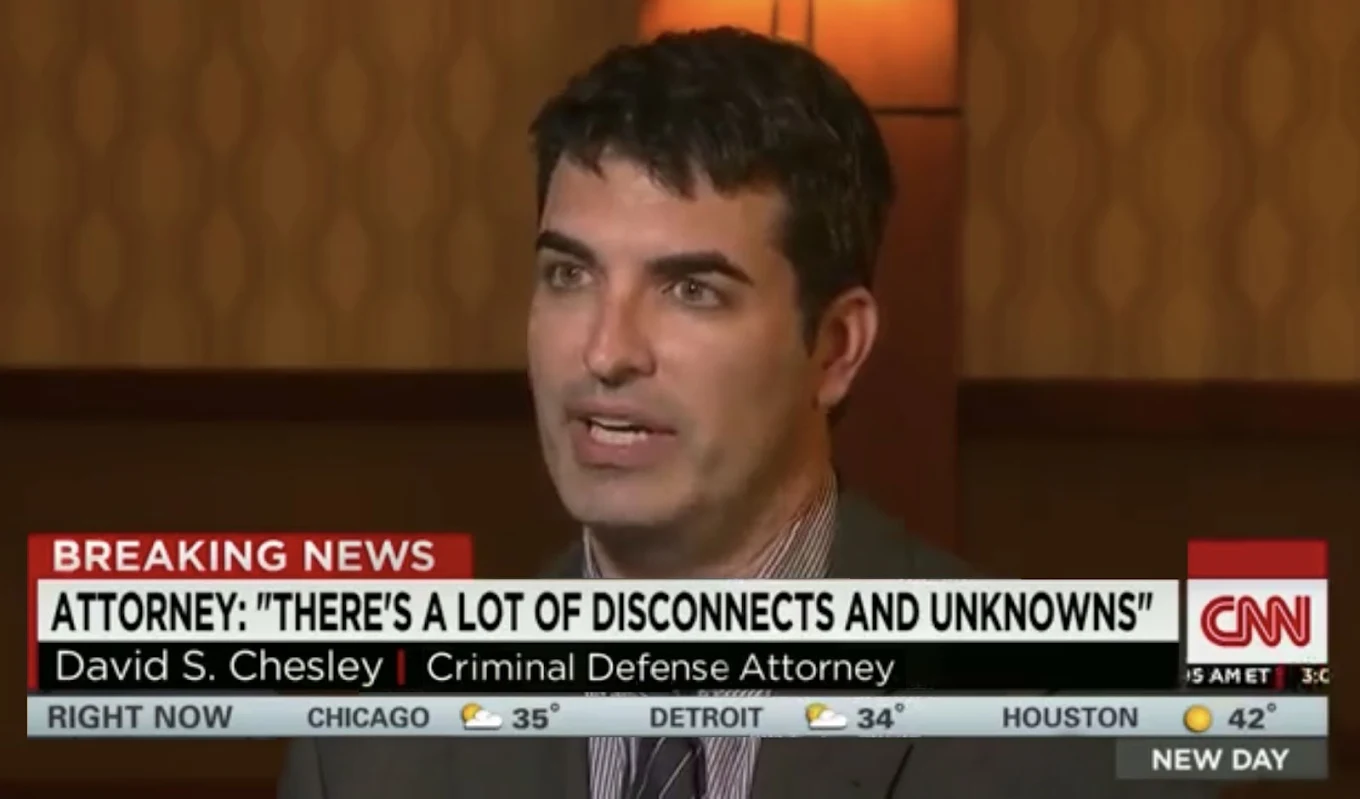
Common internet crime charges
| Charge | Law | Basic penalty range | Learn more |
|---|---|---|---|
| Unauthorized computer access | PC 502(c); 18 U.S.C. 1030 | Many 502(c) offenses are wobblers: felony with 16 months, 2 or 3 years and a fine up to $10,000, or a misdemeanor | Is hacking a felony? |
| Online impersonation | PC 528.5 | Fine up to $1,000 and/or up to 1 year in county jail | PC 528.5 |
| Electronic harassment (posting personal info to incite others) | PC 653.2 | Misdemeanor, up to 1 year in jail and a fine up to $1,000 | Harassment under California law |
| Annoying or threatening electronic contact | PC 653m | Misdemeanor | PC 653m |
| Stalking, including by electronic device | PC 646.9; 18 U.S.C. 2261A | Up to 1 year in county jail, or a felony | Federal stalking |
| Online threats | PC 422; 18 U.S.C. 875(c) | Wobbler (state); federal felony | Federal threats |
| Distributing intimate images, including computer-generated ones | PC 647(j)(4) | Misdemeanor | Revenge porn |
| Sextortion | PC 518, 523; federal law | Felony | Sextortion |
| Contacting a minor with intent to commit a sex offense | PC 288.3; 288.4 | Felony | Enticing a minor |
| Child sexual abuse material | PC 311.11; 18 U.S.C. 2252A | Wobbler or felony; federal mandatory minimums for some offenses | Child pornography |
| Identity theft | PC 530.5; 18 U.S.C. 1028A | Wobbler; 2-year federal consecutive term for aggravated identity theft | Aggravated identity theft |
| Wire fraud | 18 U.S.C. 1343 | Up to 20 years | Federal crimes |
Hacking and unauthorized access
PC 502(c) lists 14 kinds of computer offenses, including knowingly accessing and using data to defraud, taking or copying data, and introducing a computer contaminant. Violations of paragraphs (1), (2), (4), (5), (10), (11) or (12) of subdivision (c) can be charged as a felony "punishable by imprisonment pursuant to subdivision (h) of Section 1170 for 16 months, or two or three years and a fine not exceeding ten thousand dollars ($10,000)," or as a misdemeanor (PC 502(d)(1)). The federal Computer Fraud and Abuse Act (18 U.S.C. 1030) covers accessing a computer "without authorization or exceeding authorized access."
Harassment, threats and stalking online
- PC 653.2: Electronically distributing someone's personal identifying information, with intent to place them in reasonable fear, so that others will harass or hurt them. It's "a misdemeanor punishable by up to one year in a county jail, by a fine of not more than one thousand" dollars, or both.
- PC 653m: Contacting someone by "electronic communication device," with intent to annoy, using obscene language or a threat. Misdemeanor.
- PC 646.9 (stalking): A "credible threat" includes "a threat performed through the use of an electronic communication device," and "electronic communication device" includes "telephones, cellular phones, computers."
- PC 528.5: Credibly impersonating someone online "for purposes of harming, intimidating, threatening, or defrauding" them. This includes "opening an e-mail account or an account or profile on a social networking Internet Web site in another person's name." Punishable by "a fine not exceeding one thousand dollars ($1,000), or by imprisonment in a county jail not exceeding one year, or by both."
Images and privacy
PC 647(j)(4) makes it a crime to intentionally distribute an intimate image of an identifiable person under circumstances showing the image was meant to stay private. It also reaches a person who "intentionally creates and distributes ... any photo realistic image, digital image, electronic image, computer image, computer-generated image" of another identifiable person's intimate body parts or sexual acts, which covers AI-generated "deepfake" images. See revenge porn charges.
Online offenses involving minors
PC 288.3 covers anyone who "contacts or communicates with a minor, or attempts to contact or communicate with a minor," knowing or having reason to know the person is a minor, with intent to commit specified sex offenses. Many of these cases come from undercover decoy operations. Related pages: arranging a meeting with a minor, sexting involving minors, PC 653j. For federal travel and online-enticement cases, see the sex tourism page (draft N1-07).
Fraud and identity theft
PC 530.5 punishes willfully obtaining another person's personal identifying information and using it for an unlawful purpose, "by imprisonment in a county jail not to exceed one year, or by both a fine and imprisonment, or by imprisonment pursuant to subdivision (h) of Section 1170." Online schemes that use interstate wires can be charged federally as wire fraud, which carries up to "20 years" (18 U.S.C. 1343). See credit card fraud.
State or federal?
Online conduct almost always crosses state lines (servers, payment processors, platforms), so federal jurisdiction is often available. Federal agencies such as the FBI and HSI tend to take cases with large losses, many victims, child exploitation, or links to other federal investigations. LAPD, the LA County Sheriff and local task forces handle many harassment, impersonation and decoy cases in state court. Federal sentences follow the Sentencing Guidelines, and some offenses carry mandatory minimums.
Digital evidence and CalECPA
California's Electronic Communications Privacy Act limits how state agencies get digital evidence. A government entity generally may not "compel the production of or access to electronic communication information from a service provider," or access device information, except in listed circumstances. The first of those is "pursuant to a warrant" (PC 1546.1). Defense lawyers check whether each search of a phone, cloud account or provider record followed these rules and the Fourth Amendment.
Common defenses
- Attribution: Who was actually at the keyboard? Shared devices, shared Wi-Fi, spoofed accounts and malware.
- Intent: Many of these crimes require a specific intent: to defraud, to annoy, to place someone in fear, or to commit a sex offense.
- Authorization: For hacking charges, whether you had permission or exceeded it.
- Protected speech: Constitutionally protected activity is not a "credible threat" under PC 646.9.
- Unlawful search: Suppression of evidence obtained without a valid warrant or in violation of CalECPA.
- Entrapment: In some undercover cases.
Frequently asked questions
Is hacking a felony in California? It can be. Many PC 502(c) offenses are wobblers, punishable as a felony with 16 months, 2 or 3 years, or as a misdemeanor.
Can I be charged for something I posted anonymously? Yes, if investigators can tie the account to you through subscriber records, IP logs or device evidence. Attribution is often the main dispute.
Do police need a warrant for my phone or online accounts? Under CalECPA, California agencies generally need a warrant or another listed legal basis to compel electronic communication information from a provider or to access your device information (PC 1546.1).
Is making a fake social media profile a crime? It can be under PC 528.5 if the impersonation is credible and done to harm, intimidate, threaten or defraud.
Is an AI-generated intimate image of a real person illegal to share? PC 647(j)(4) covers intentionally creating and distributing computer-generated intimate images of an identifiable person under the conditions the statute lists.
The firm handles both state and federal internet-crime cases. If you're under investigation or charged with an internet crime in Los Angeles, call (800) 755-5174 before you talk to investigators or hand over a device.