
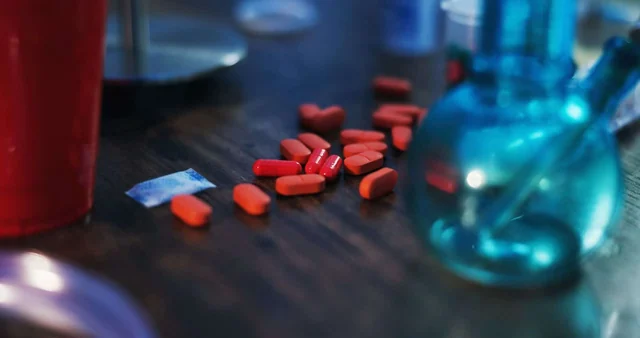
Only with a prescription. California classes ketamine as a Schedule III drug (Health and Safety Code 11056(g)). Having it without a valid prescription is a misdemeanor, with a felony route for people with certain prior convictions. Possessing it for sale or selling it is punished under a separate section with county jail or state prison.
Is ketamine a controlled substance in California?
Yes. California lists ketamine in Schedule III (Health and Safety Code 11056(g)), so the state's controlled substance laws apply to it in any form.
Section 11056(a) says the substances it lists are included in Schedule III, and subdivision (g) names ketamine, defined as any material, compound, mixture or preparation containing ketamine. The form does not matter: a liquid, a powder or a tablet is covered if it contains ketamine.
When is having ketamine legal?
When a prescriber licensed in California ordered it for the person, or another law authorizes it. A person holding it for the patient is protected only in narrow cases.
The possession statute, Health and Safety Code 11377(a), begins with the phrase "Except as authorized by law" and then excludes possession under a prescription written by a physician, dentist, podiatrist or veterinarian who is licensed in this state. Medical ketamine ordered that way is not a possession crime for the patient.
Table: who may have ketamine under section 11377.
| Person | Rule | Subdivision |
|---|---|---|
| A patient with a valid prescription from a licensed California doctor, dentist, podiatrist or veterinarian | The possession offense does not apply | (a) |
| Someone who holds it for the patient at the patient's request or with the patient's clear permission, only to hand over the prescription for its intended use or to throw it away lawfully | Not unlawful | (c) |
| Anyone else | Possession falls under the offense in subdivision (a) | (a) |
Subdivision (d) adds that the section does not let anyone other than the prescription holder use the drug, and does not allow distribution or sale that goes against the prescription.
What are the penalties for ketamine without a prescription?
Possession is a misdemeanor for most people, and selling ketamine is punished under its own section, which includes a state prison option.
Table: penalties the Health and Safety Code states for ketamine offenses.
| Conduct | Law | Penalty stated |
|---|---|---|
| Possessing ketamine without a prescription or other authorization | 11377(a) | A county jail sentence capped at one year. A person with a listed prior may face the felony county jail term in Penal Code 1170(h) instead: 16 months, 2 years or 3 years ((h)(1)) |
| A fine added to a possession sentence | 11377(b) | Not more than $70, with the person's ability to pay taken into account |
| Possessing ketamine for sale, or selling it | Health and Safety Code 11379.2 | A county jail sentence capped at one year, or state prison |
The priors that open the felony route come from Penal Code 667(e)(2)(C)(iv), whose list includes homicide offenses, or from a conviction that requires sex offender registration. Penal Code 18.5(a) makes the working ceiling of a one-year county jail term 364 days.
The usual possession for sale and sale statutes for Schedule III drugs, sections 11378 and 11379, each exclude the substance in subdivision (g) of section 11056. That is why ketamine sales are charged under 11379.2.
Related questions
- Possession of a controlled substance covers the possession charge and how a case is handled.
- Prescription drug crimes covers charges that grow out of a medication or a prescription.
- Possession for sale covers sale-intent allegations.
Frequently asked questions
Is ketamine legal in California with a prescription?
Yes. Section 11377(a) excludes possession under a prescription from a prescriber licensed in California.
Can I hold ketamine for a friend who has a prescription?
Only at the friend's request or with the friend's clear permission, and only to hand over the prescription for its intended use or to dispose of it lawfully (section 11377(c)).
Is having ketamine a felony in California?
Not for most people. Possession is a misdemeanor under section 11377(a). A person with a prior drawn from Penal Code 667(e)(2)(C)(iv), which that section names, or with a registration offense, may face a Penal Code 1170(h) sentence instead. Possessing ketamine for sale or selling it can mean state prison under section 11379.2.
Is ketamine possession ever charged under the same sections as other Schedule III drugs?
For possession, yes: section 11377(a) covers Schedule III drugs that are not narcotics, and ketamine is one of them. For possession for sale and sale, no: sections 11378 and 11379 exclude ketamine, and section 11379.2 applies.
Questions about a ketamine charge
The details that matter in a ketamine case are the source of the drug, any prescription and what the person meant to do with it. Questions about a possible ketamine charge can go to (800) 755-5174; the first conversation costs nothing, and someone answers around the clock.