

California has two hit-and-run laws, and they are not the same charge. If a collision causes only property damage, Vehicle Code section 20002 makes it a misdemeanor to leave without stopping in a safe place and giving the required identifying information, or leaving a written notice and notifying the police or the California Highway Patrol. If someone other than the driver is injured or killed, Vehicle Code section 20001 applies. That offense may be a misdemeanor or a felony. The prison term is two, three, or four years when the accident causes death or permanent, serious injury.
Our law firm has been featured on






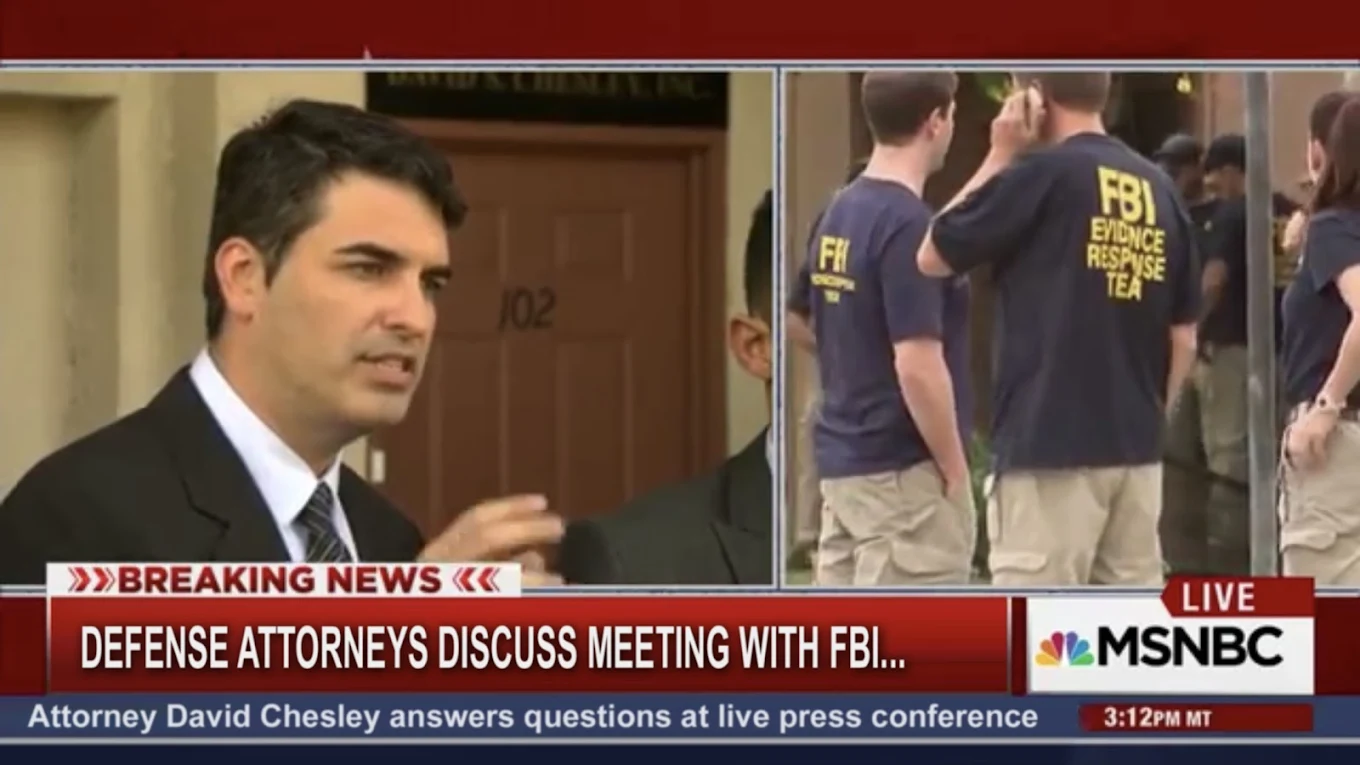
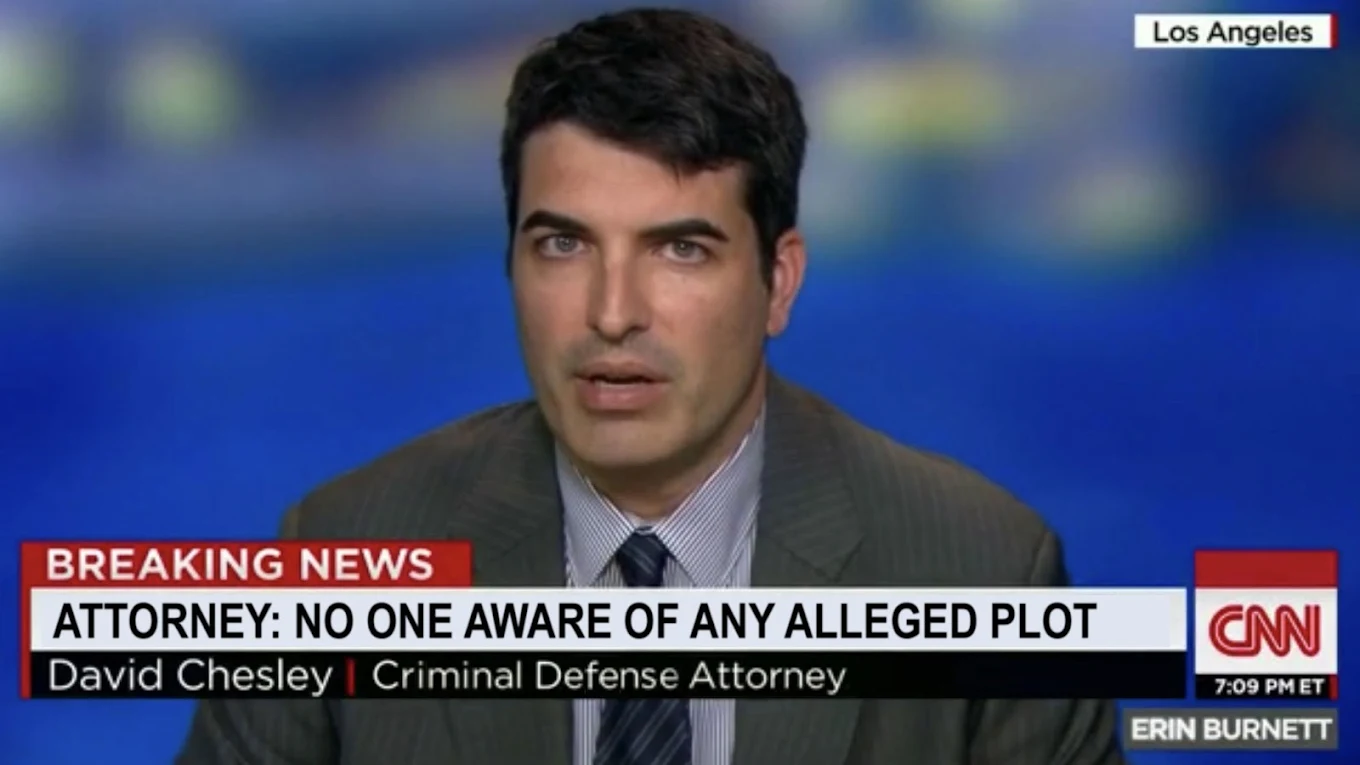
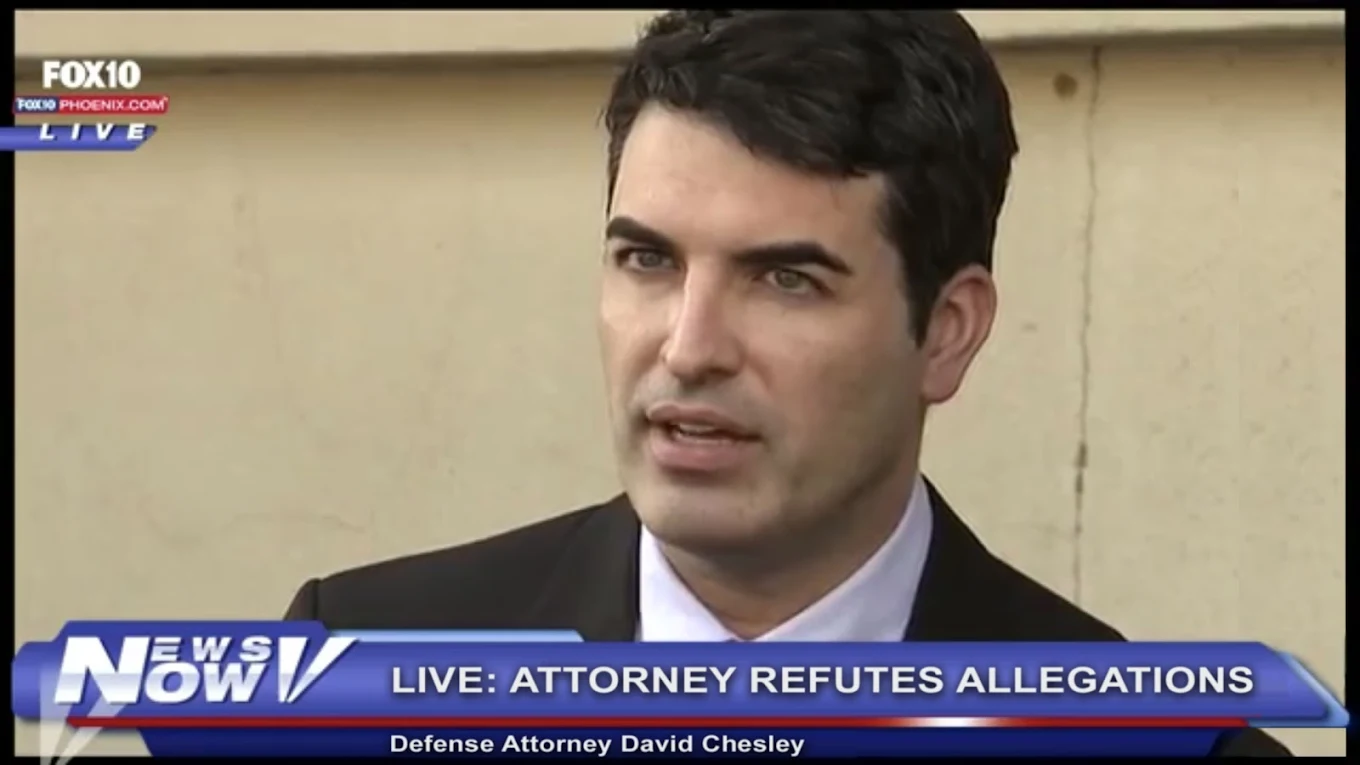
David Chesley in the news
Select a photo to enlarge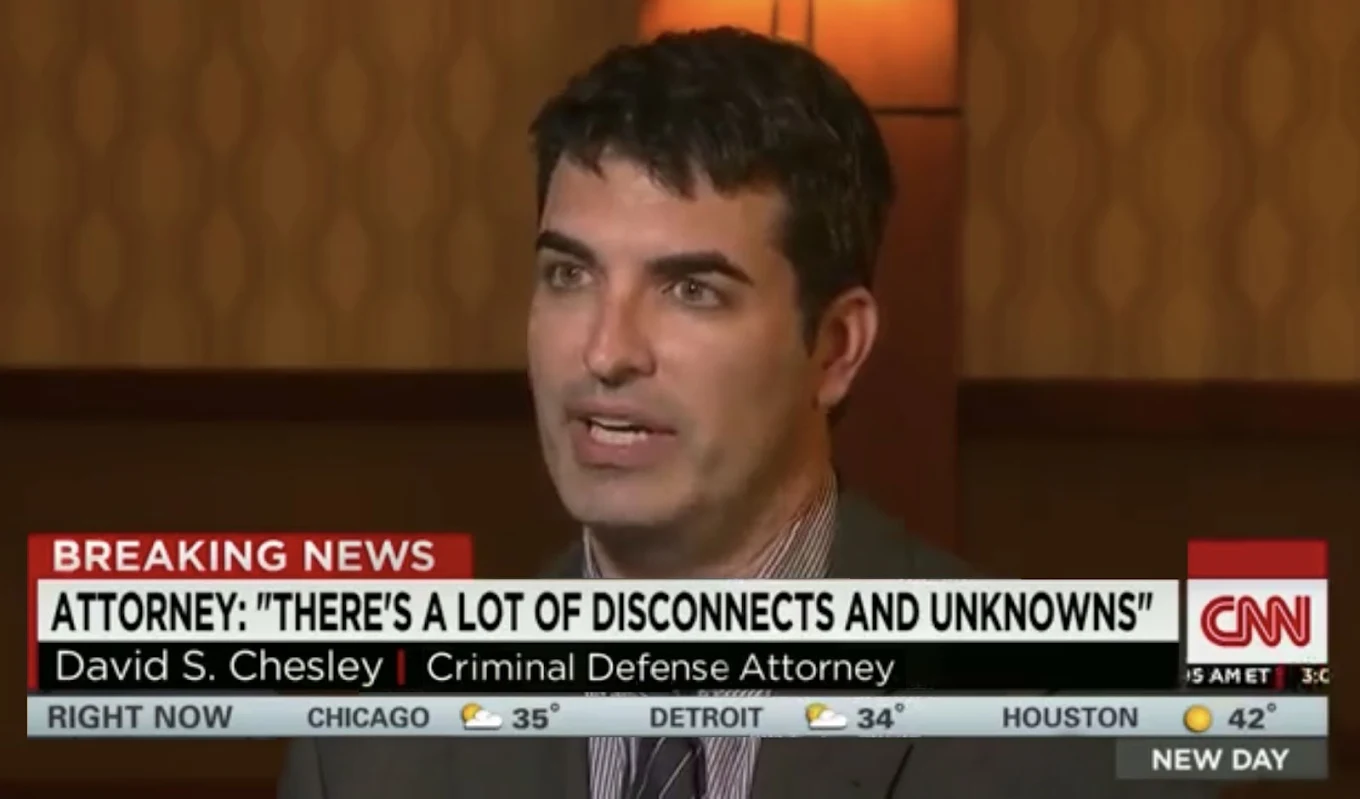
What the statutes require
Section 20002(a) covers "an accident resulting only in damage to any property, including vehicles." The driver must "immediately stop the vehicle at the nearest location that will not impede traffic or otherwise jeopardize the safety of other motorists." Moving there "does not affect the question of fault." The driver must then either find the owner or person in charge of that property, give the name and current residence address of the driver and of the vehicle's owner, and, on request, present a license and registration; or leave a written notice in a conspicuous place with that information and a statement of the circumstances, and then, "without unnecessary delay," notify the city police or, in unincorporated territory, the local Highway Patrol headquarters.
Section 20001(a) applies when the accident results "in injury to a person, other than himself or herself, or in the death of a person." The driver must "immediately stop the vehicle at the scene" and fulfill Vehicle Code sections 20003 and 20004. Those sections require the driver to give identifying information, including name, current residence address, registration number, owner information, and the names and addresses of any injured occupant of the driver's vehicle, to the person struck or the other driver or occupants, and to any officer at the scene; to show a license on request if available; and to render reasonable assistance, including arranging medical transport if it is apparently necessary or is requested. If a person dies and no officer is present, the driver must then report the accident "without delay" to the nearest Highway Patrol office or authorized police authority.
These duties apply whether or not you were at fault. The crime is failing to complete those steps, not the accident itself.
What the prosecutor must prove
The prosecution must prove each element beyond a reasonable doubt. CALCRIM No. 2150 and CALCRIM No. 2140 require proof that, while driving, the accused was involved in a vehicle accident; that the accident caused damage to someone else's property, or injury or death to someone else; that the accused knew of that involvement and of the harm, or knew from the nature of the accident that such harm was probable; and that the accused willfully failed to perform a required duty. For section 20002, that duty is to stop immediately or to provide the required information in one of the two ways the statute allows. For section 20001, the duties are those in sections 20003 and 20004, and the jury must agree on which duty was not performed.
"Willfully" means the act was done willingly or on purpose, not that the person intended to break the law. Being "involved" does not require a direct collision. A person who did not know about the accident, and could not tell from its nature that damage or injury was probable, has not met the knowledge element. Fault is not an element of either charge.
Penalties
Property-damage hit-and-run
Section 20002(c) is a misdemeanor, punishable by imprisonment in the county jail "not exceeding six months," a fine "not exceeding one thousand dollars ($1,000)," or both. Penal Code section 18.5 does not change that six-month limit. A court may grant probation. The statute itself does not revoke a driver's license.
Injury or death under Vehicle Code 20001
If the accident does not cause death or permanent, serious injury, section 20001(b)(1) is a wobbler: imprisonment in the state prison, or in a county jail for not more than one year, or a fine of $1,000 to $10,000, or both. Because the statute calls for state prison without setting a triad, the felony term is 16 months, two years, or three years under Penal Code section 18. The jail alternative is a maximum of 364 days under section 18.5. The court must consider the defendant's ability to pay the minimum $1,000 fine and, for reasons stated in the record, may reduce it.
If the accident results in death or permanent, serious injury, section 20001(b)(2) sets the term at two, three, or four years in state prison, or 90 days to one year in county jail (364 days under section 18.5), or a fine of $1,000 to $10,000, or both. The court may, for reasons stated in the record, reduce or eliminate the 90-day minimum. "Permanent, serious injury" means "the loss or permanent impairment of function of a bodily member or organ."
Under section 20001(c), a person who flees after committing vehicular manslaughter under Penal Code section 191.5 or section 192(c)(1) shall, upon conviction of either section, serve an additional consecutive five-year state prison term. The allegation must be charged and either admitted or found true, and the court "shall not strike" it. Leaving the scene does not by itself create a manslaughter charge.
A 2026 amendment that is not yet in effect
Senate Bill 907 (Stats. 2026, Ch. 443) was approved and filed on September 25, 2026. It amends section 20001, has no urgency clause, and takes effect January 1, 2027. From that date, a 20001 violation within 10 years of a separate violation of Vehicle Code section 23103 as specified in section 23103.5, section 23152 or 23153, or Penal Code section 191.5 or 192(c)(1) that resulted in a conviction, raises the ordinary-injury felony triad to two, three, or four years, and the death or permanent-serious-injury triad to three, four, or five years. Until then, the current ranges remain the law. The bill does not amend section 20002.
Civil compromise and restitution
Penal Code sections 1377 through 1379 allow a court, in limited situations, to stay and discharge a misdemeanor if the person injured by the criminal act has a civil remedy and acknowledges satisfaction before trial. In People v. Dimacali (2019) 32 Cal.App.5th 822, the Fourth District Court of Appeal held that a section 20002 charge cannot be ended this way, because the damage comes from the collision, not from leaving. Paying for repairs does not by itself dismiss the charge.
Restitution is separate. Under Penal Code section 1202.4, a court must order restitution for losses caused by the criminal conduct. People v. Martinez (2017) 2 Cal.5th 1093 limited that mandatory order, in a hit-and-run case, to losses caused by the flight, not by the accident itself. As a condition of probation, People v. Carbajal (1995) 10 Cal.4th 1114 allows a court to require repayment of accident-related property damage.
DMV consequences, which are separate from the court case
A conviction of section 20001 or 20002 is given two points under Vehicle Code section 12810. Under section 12810.5, four or more points in 12 months, six or more in 24 months, or eight or more in 36 months makes the person a prima facie negligent operator. See the DMV's negligent-operator page. When the DMV receives a certified abstract of a section 20001 conviction, Vehicle Code section 13350 requires an immediate revocation. Reinstatement is not available until one year after the revocation date, and until the person gives proof of financial responsibility as defined in Vehicle Code section 16430. That revocation follows the conviction. It is not the same process as the administrative hearing that can follow a DUI arrest in Los Angeles. Section 20002 is not listed in section 13350. Under Vehicle Code section 13351, three or more convictions of section 20001, 20002, 23103, 23104, or 23105 for offenses committed within a 12-month period result in a three-year revocation.
Common defenses
Every case turns on its own facts, and none of the following is a promise of a particular result. Issues that may be raised include that the accused was not the driver; that the accused did not know of the accident and could not tell from its nature that damage or injury was probable; that the accused stopped and completed the required exchange, or left a proper notice and notified law enforcement without unnecessary delay; that no one else's property was damaged, or that no other person was injured or killed; or that the accused was unable to perform the duties. Fear of a DUI investigation does not excuse a failure to stop.
What happens in Los Angeles County court
A section 20002 case is a misdemeanor. After a citation or arrest, a complaint may be filed in Los Angeles Superior Court. The first appearance is typically an arraignment, followed by pretrial conferences and, if the case is not resolved, a trial. Some misdemeanors are prosecuted by a city attorney.
A section 20001 case may be filed as a misdemeanor or as a felony. If it is filed as a felony, the accused is entitled to a preliminary hearing before the case proceeds further. The Los Angeles DUI court process page describes the usual sequence of appearances. The court case and any later DMV revocation under section 13350 remain separate.
Related charges
Other potential charges include driving under the influence under Vehicle Code sections 23152 or 23153, reckless driving under section 23103, driving without insurance, and, when a death is alleged, vehicular manslaughter. Hit and run with injury or death has its own page. The duties and sentencing ranges still come from those sections.
Frequently asked questions
Do I have to stop if the accident was not my fault?
Yes. Both statutes apply to a "driver of a vehicle involved in an accident." The required stop and exchange of information do not depend on who caused the collision.
If I pay for the property damage, is the misdemeanor dismissed?
Not automatically. At least one Court of Appeal has held that a section 20002 charge cannot be civilly compromised under Penal Code sections 1377 through 1379. Payment may still be relevant to restitution, but it is not a guaranteed dismissal.
Will the DMV take my license for a property-damage hit-and-run?
A section 20002 conviction adds two points under section 12810. It does not, by itself, trigger the one-year revocation in section 13350, which applies to section 20001. Points can still lead to a negligent-operator action, and three qualifying convictions for offenses committed within a 12-month period can lead to a three-year revocation under section 13351.
If you are facing a hit-and-run allegation in Los Angeles County, call the Law Offices of David S. Chesley at (800) 755-5174 for a free consultation.