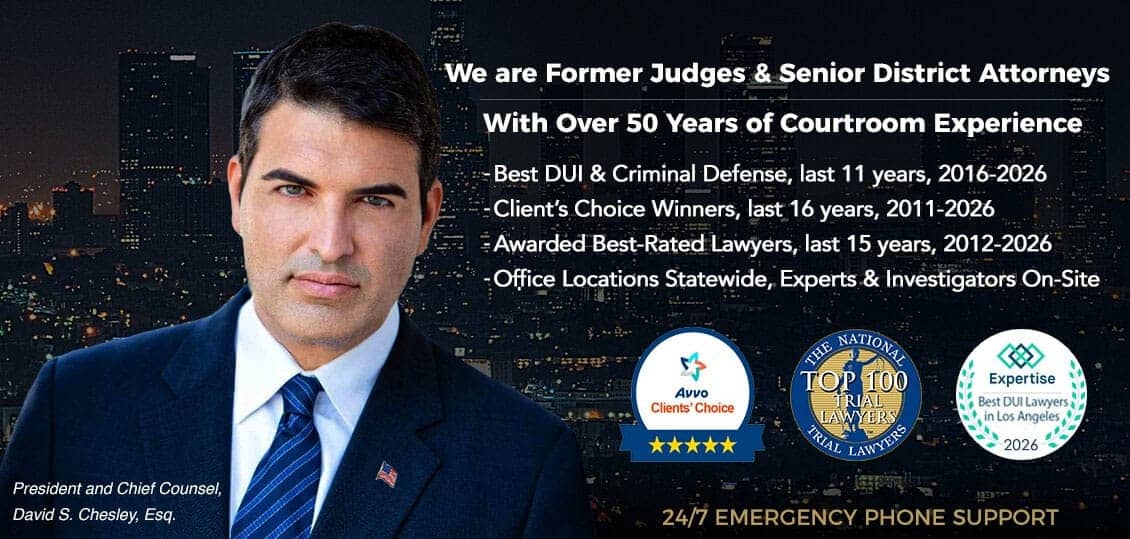


An immigration lawyer in South San Diego helps with green cards, citizenship, asylum, waivers and defense against removal. USCIS handles applications at its field office on Front Street downtown. Immigration judges hear removal cases downtown and at Otay Mesa. A criminal charge from Otay Mesa or San Ysidro is filed in Chula Vista and can change an immigration case.
Our law firm has been featured on






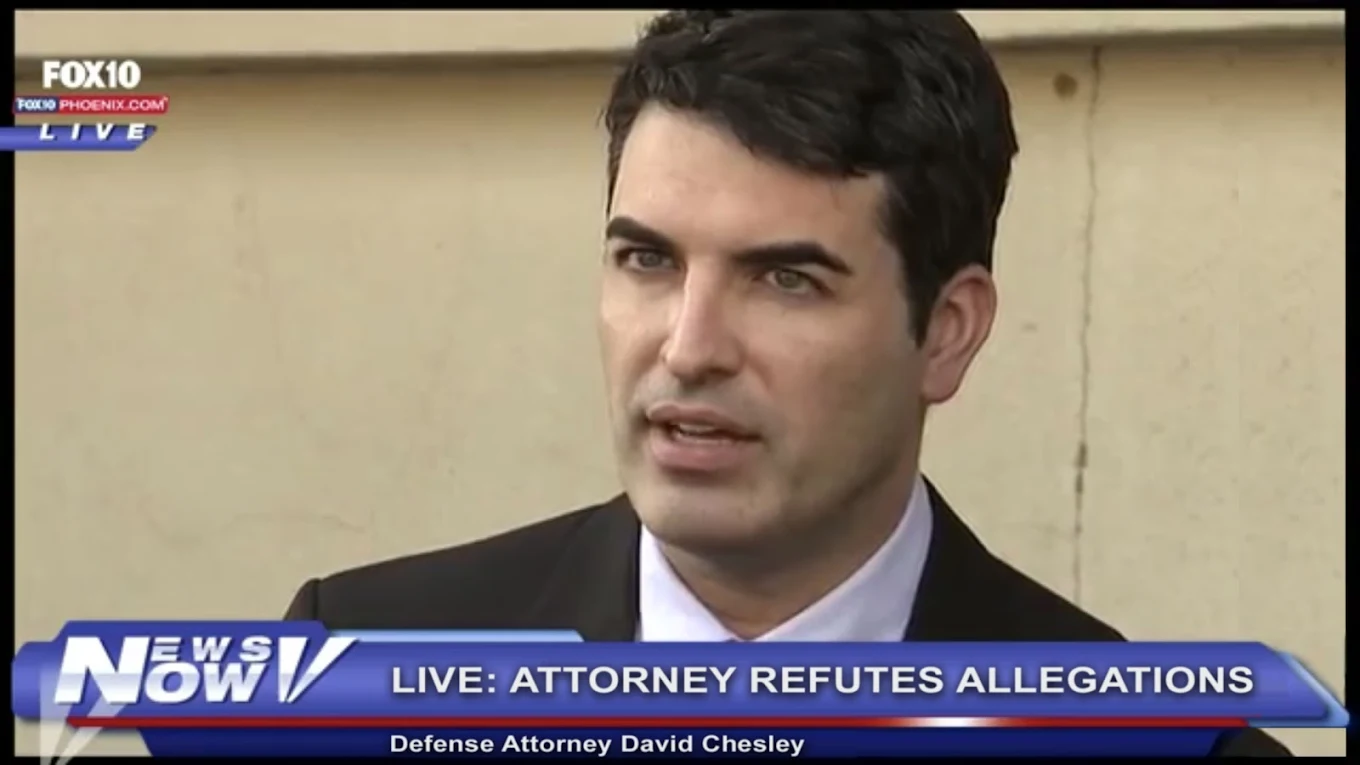
David Chesley in the news
Select a photo to enlarge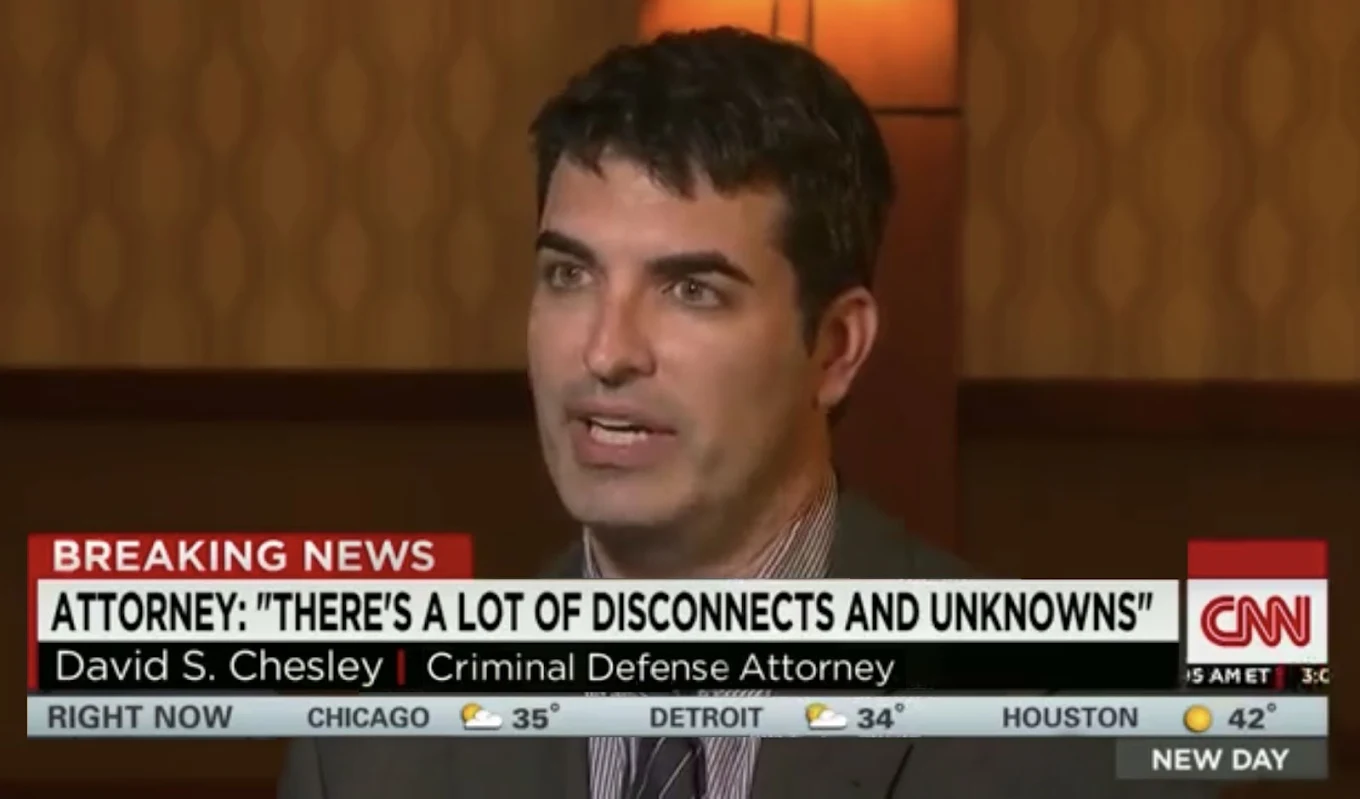

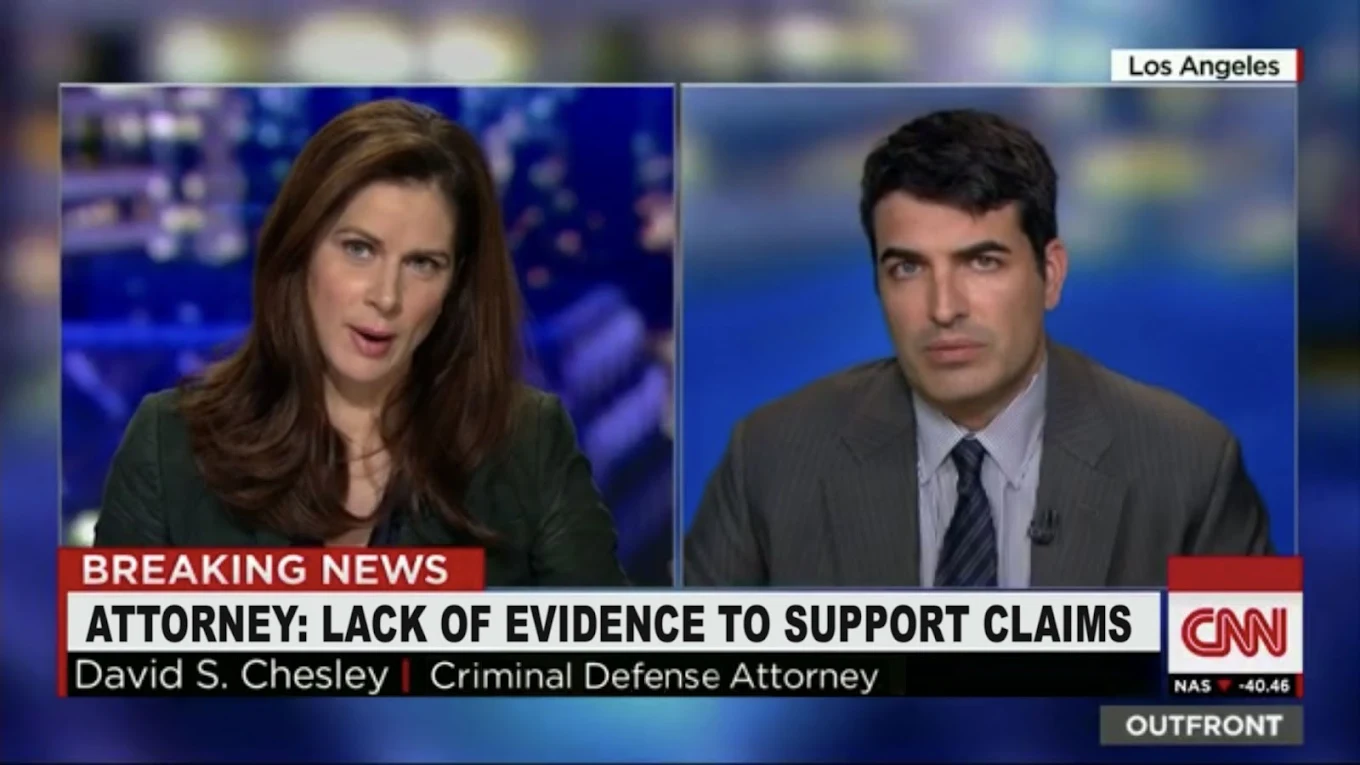

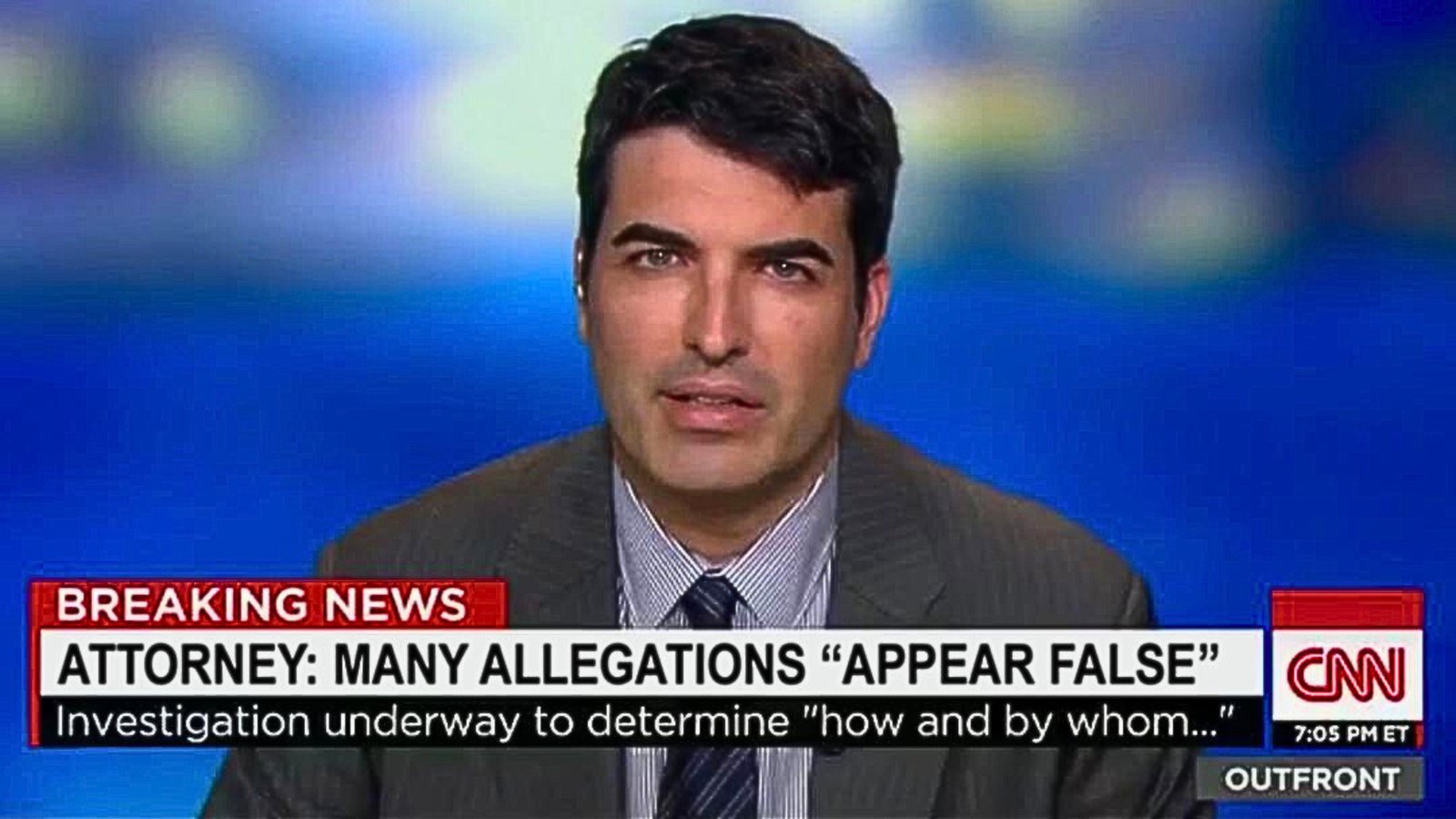
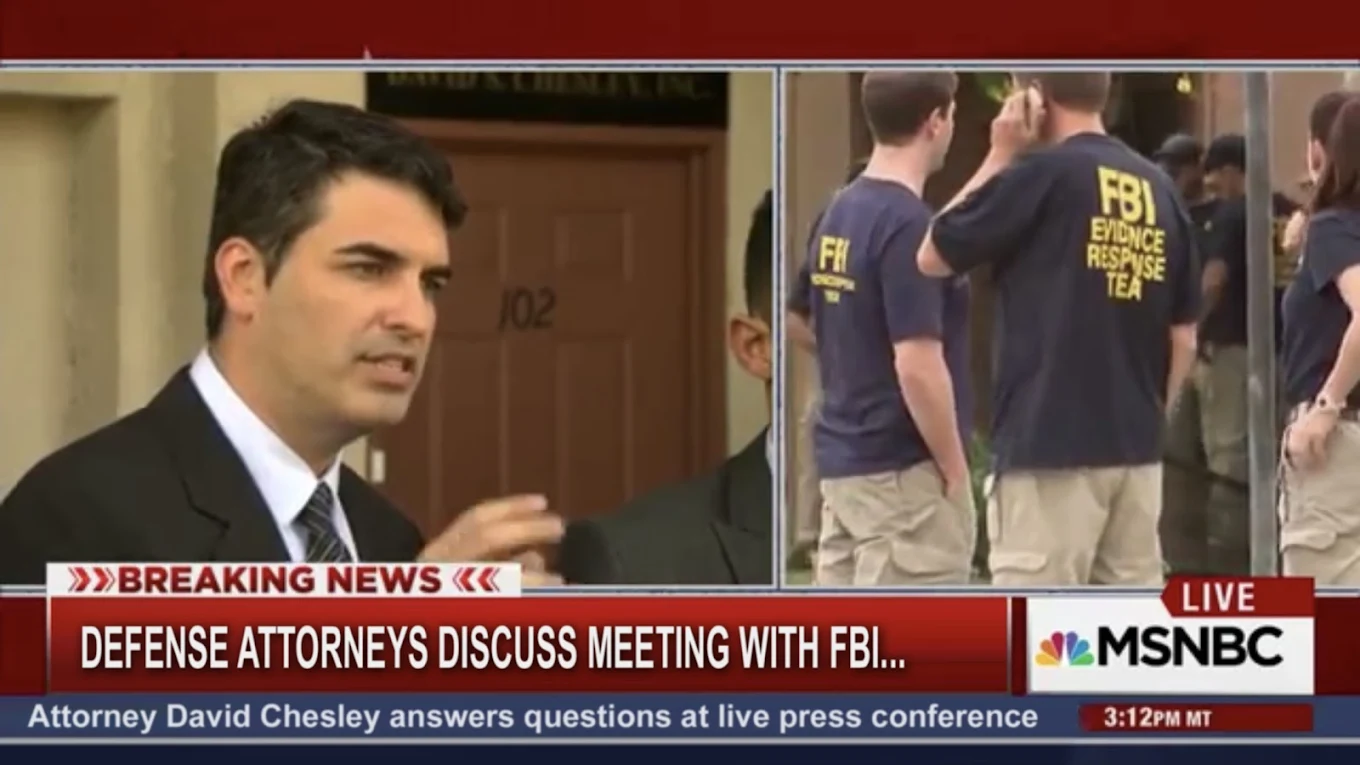
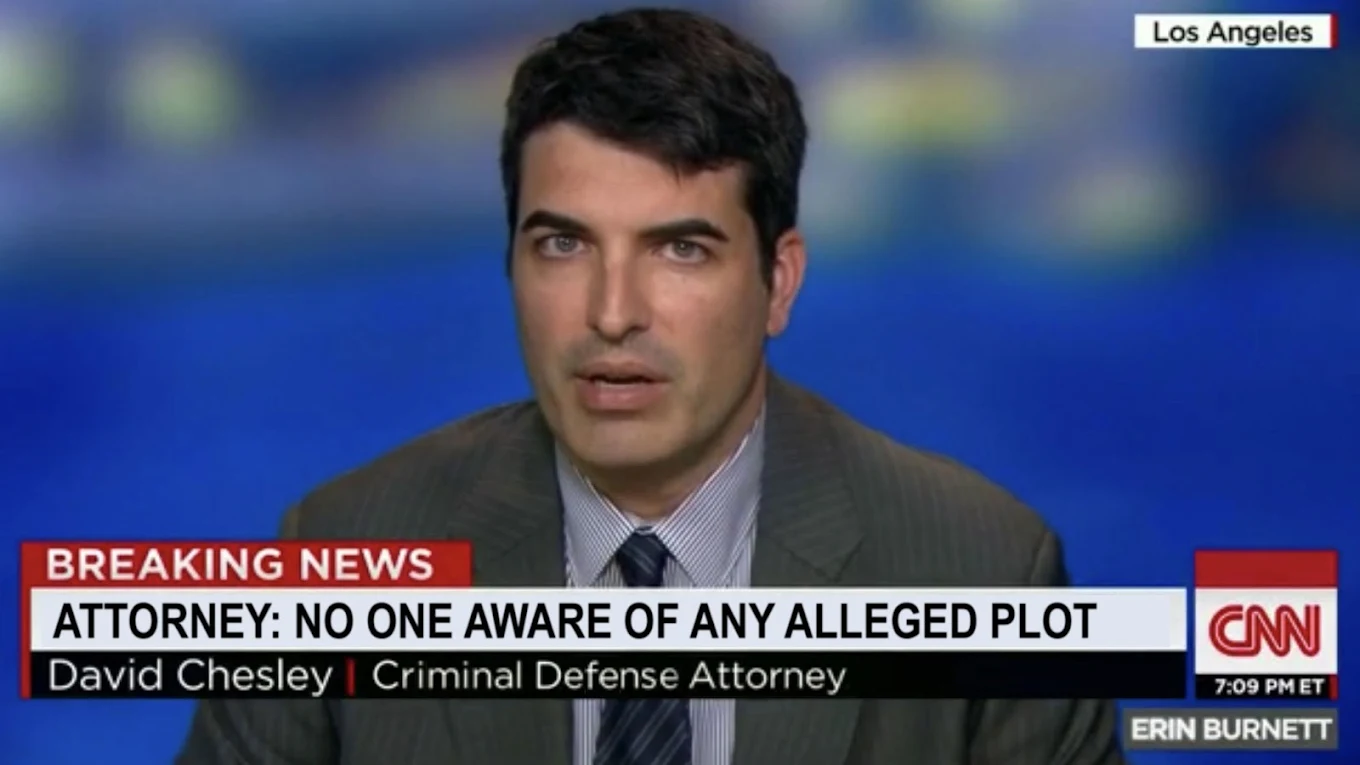
The firm's immigration lawyers take these cases. The sections below explain who decides what for South San Diego residents, which travel and plea mistakes cause lasting damage, and where a deadline can end a case.
Which federal offices decide immigration cases for South San Diego residents?
USCIS decides applications, immigration judges decide removal cases and ICE runs detention. Most of these offices are downtown, while one court and the detention center are in Otay Mesa.
USCIS publishes a data file that matches each ZIP code to a field office. In that file, South San Diego ZIP codes such as 92154 (Otay Mesa), 92153 (Nestor) and 92173 (San Ysidro) all point to the San Diego Field Office at 1325 Front Street. USCIS's field office locator page adds two rules. Offices do not take walk-ins, and the address on your own interview or appointment notice is the one to trust.
| Office | Address | What it handles |
|---|---|---|
| USCIS San Diego Field Office | 1325 Front Street, San Diego, CA 92101 | Interviews and other appointments on applications, by appointment only |
| San Diego Immigration Court | 880 Front Street, Suite 4240, San Diego, CA 92101 | Hearings before an immigration judge, in the Edward J. Schwartz Federal Building |
| Otay Mesa Immigration Court | 7488 Calzada de la Fuente, San Diego, CA 92154 | Hearings inside a Department of Homeland Security detention facility |
| ICE San Diego Field Office | 880 Front Street, #2242, San Diego, CA 92101 | Enforcement and Removal Operations for San Diego and Imperial County |
| Otay Mesa Detention Center | 7488 Calzada de la Fuente, San Diego, CA 92154 | ICE detention, with its own information line for families |
The law behind all five offices is federal. USCIS posts the Immigration and Nationality Act on its website as United States immigration law.
Your ZIP code does not pick your immigration court. EOIR's administrative control court list names the San Diego Immigration Court for charging documents from the San Diego district office of the Department of Homeland Security and the San Ysidro Port of Entry. EOIR's practice manual adds that DHS offices are not required to file a Notice to Appear with any particular court. The notice or hearing letter you receive names your court.
What should you expect at the Otay Mesa Immigration Court?
The court sits inside a detention facility run under Department of Homeland Security control. Visitors pass a metal detector and a handbag screening on every visit.
EOIR describes the court as located in a Department of Homeland Security controlled detention facility and points visitors to the Otay Mesa Detention Center's own website for entry information. Cameras and recording devices are prohibited in courtrooms and other EOIR space. The court is open Monday to Friday except federal holidays, and EOIR posts unexpected closures on its operational status page. Its mailing address is a post office box in San Ysidro, which is different from the street address in the table above.
The downtown court works differently. EOIR says visitors enter through the main entrance of the Edward J. Schwartz Federal Building. The building has no public parking, and nearby street parking is metered. Whichever court has your case, arrive early enough to clear security before the hearing time on your notice.
How can a family find and contact someone at the Otay Mesa Detention Center?
Search ICE's online detainee locator, then call the facility's information line on a weekday. Detainees cannot receive incoming calls, so urgent messages are left on that same line.
- Find the person. ICE runs an Online Detainee Locator System. Start there if you are not sure where your relative is held.
- Call the facility. ICE lists (619) 671-8700 for questions about a detainee, Monday to Friday, 7:30 a.m. to 4 p.m. Have first, last and hyphenated names, any aliases, date of birth and country of birth ready.
- Leave a message. To reach the person, call that same line and leave the full name, alien registration number, your name and a phone number where you can be reached. ICE says the detainee will be given your message.
- Bring in a lawyer. ICE accepts Form G-28 for detained people at this facility through its ERO eFile platform. It will not disclose the identity of a deportation officer unless a G-28 is on file.
An immigration bond is separate from bail in a criminal case. ICE says delivery bonds are posted after it takes a person into custody and places that person in removal proceedings inside the United States. Whether an immigration judge can set a bond for someone who entered without inspection is in dispute. The Board of Immigration Appeals held in Matter of Yajure Hurtado that judges lack that authority. The Ninth Circuit, which covers California, held in Rodriguez Vazquez v. Bostock (July 30, 2026) that people present without admission who are arrested in the interior are not subject to mandatory detention under 8 U.S.C. 1225(b)(2)(A), and its opinion notes that other circuits have split on the question. No one can promise a bond. A lawyer can tell you which rule applies to how and when your relative entered.
What should you know before crossing the border with a past arrest or a pending application?
An old arrest can matter to a green card holder returning from Mexico, and leaving can end a pending green card application. Get advice before any trip.
CBP lists the Otay Mesa Port of Entry at 9777 Via De La Amistad, San Diego, CA 92154, the same ZIP code as the Otay Mesa court and detention center. Two federal rules matter for people who cross often.
- Green card holders and old offenses. Under 8 U.S.C. 1101(a)(13)(C), a lawful permanent resident is not treated as seeking admission on return unless an exception applies. The listed exceptions include being away for more than 180 days and having committed an offense identified in section 1182(a)(2), unless a section 1182(h) waiver or cancellation of removal under section 1229b(a) has since been granted. Whether a particular California offense falls in that group depends on the statute of conviction and the record.
- Pending applications. Under 8 CFR 245.2(a)(4)(ii), an applicant for adjustment of status who leaves the United States during removal proceedings is treated as abandoning the application. Outside removal proceedings, leaving is treated as abandonment unless the applicant had advance parole for that absence and was inspected on return. Some visa holders have separate exceptions.
Advance parole is not a complete safeguard. USCIS's Form I-131 page now warns that as of August 13, 2026, departing the United States on an Advance Parole Document counts as a departure for the unlawful presence bars in section 212(a)(9)(B)(i) of the Immigration and Nationality Act. A person who has accrued more than 180 days of unlawful presence may be inadmissible on return. Check with a lawyer before you board, drive or walk across.
Which courthouse hears a criminal case from South San Diego, and who prosecutes it?
San Diego Superior Court assigns criminal cases by the ZIP code of the offense. Otay Mesa and San Ysidro cases go to the South County Regional Center in Chula Vista.
The court's Local Rule 1.2.2(H)(1) says the People must file criminal cases in the division where the crime is alleged to have occurred, in accordance with the court's ZIP code list. On that ZIP code list, 92154 (Otay Mesa), 92153 (Nestor) and 92173 (San Ysidro) are in the South division. Paradise Hills, 92139, is in the Central division, so not every neighborhood on the south side of the city goes to Chula Vista. The South County Regional Center is at 500 Third Avenue, Chula Vista, CA 91910, and the court says it hears criminal, family and traffic matters. The court also says misdemeanor walk-in appearances are not accepted at that building and appointments may be requested at the business office counter.
| Step | Office | What the office says about itself |
|---|---|---|
| Arrest | San Diego Police Department, Southern Division | Serves Border, Egger Highlands, Nestor, Ocean Crest, Otay Mesa, Otay Mesa West, Palm City, San Ysidro and Tijuana River Valley |
| Misdemeanor charges | San Diego City Attorney | Its Criminal and Community Justice Division prosecutes misdemeanors and infractions committed within city limits |
| Felony charges | San Diego County District Attorney | Responsible for prosecuting felony crimes committed in the county; has a South Bay Office in Chula Vista |
| Appointed lawyer | County Public Defender | Lists a South Bay office in Chula Vista |
A citation or notice to appear names the court and date for an actual case. If the paperwork lists a different building than the ZIP code list suggests, follow the paperwork and ask a lawyer why.
Why does a plea in a San Diego County criminal case matter so much for immigration?
Federal law decides what a conviction does to immigration status. A plea with a light sentence can still make someone deportable, inadmissible or subject to detention.
Federal law can count a plea as a conviction even when adjudication of guilt is withheld, once a judge orders some form of punishment, penalty or restraint on liberty (8 U.S.C. 1101(a)(48)(A)). The grounds that make a noncitizen deportable after admission are in 8 U.S.C. 1227(a)(2). They include crimes involving moral turpitude, aggravated felonies, controlled substance offenses, firearm offenses, and crimes of domestic violence, stalking or child abuse. California caps a misdemeanor jail term at 364 days (Penal Code 18.5), which can matter where a federal ground turns on a possible sentence of one year.
An arrest can matter too. The Laken Riley Act, Public Law 119-1, signed on January 29, 2025, added 8 U.S.C. 1226(c)(1)(E). It requires ICE custody for certain inadmissible noncitizens who are charged with, arrested for or admit committing listed offenses, including burglary, theft, larceny and shoplifting.
California adds two protections. Before a guilty or no contest plea to any crime other than an infraction, the judge must read an immigration advisement word for word, and no defendant has to disclose immigration status to the court (Penal Code 1016.5). Defense counsel must give accurate and affirmative advice about the immigration consequences of a proposed disposition, and prosecutors must consider avoiding adverse immigration consequences as one factor in plea talks (Penal Code 1016.3). The firm's page on the immigration consequences of a conviction goes further, and its criminal defense lawyer pages cover the charges below:
Can an old conviction be undone if it threatens your immigration case?
Sometimes. A person who is no longer in criminal custody can ask a California court to vacate a conviction that is legally invalid because of a prejudicial error that damaged the person's ability to understand, defend against or knowingly accept its immigration consequences (Penal Code 1473.7). An ordinary dismissal for rehabilitation is different. The Board of Immigration Appeals held in Matter of Pickering that a conviction vacated only for rehabilitation or immigration hardship still counts for immigration purposes. The firm's post-conviction relief page covers the court options.
Can a South San Diego family get a green card without leaving the country?
Sometimes. Adjustment of status lets an eligible person apply from inside the United States if they were inspected and admitted or paroled and a visa is immediately available.
The statute covers a person "who was inspected and admitted or paroled into the United States" who applies, is eligible for an immigrant visa and admissible for permanent residence, and has a visa that is immediately available when the application is filed (8 U.S.C. 1255(a)). USCIS's adjustment of status page calls it the process you can use to apply for a green card while you are in the United States. People who entered without inspection often cannot use it. The firm's adjustment of status page walks through the forms.
Leaving the country after unlawful presence can trigger a three-year or ten-year bar on returning (8 U.S.C. 1182(a)(9)(B)(i)). A waiver is possible for the spouse, son or daughter of a citizen or permanent resident if refusal would cause extreme hardship to the citizen or resident spouse or parent. USCIS decides a provisional waiver request on Form I-601A before the person leaves for a consular interview, and Form I-601 covers other grounds. The firm's Waivers 601 and 601(a) page explains both.
Who can apply for asylum, and by when?
An asylum application generally must be filed within one year of arriving in the United States. Exceptions exist for changed circumstances, extraordinary circumstances and unaccompanied children.
The protected grounds come from the refugee definition: persecution or a well-founded fear of persecution because of race, religion, nationality, membership in a particular social group or political opinion (8 U.S.C. 1101(a)(42)(A)). The one-year rule is in 8 U.S.C. 1158(a)(2)(B), and the exception for changed circumstances is in subparagraph (D). USCIS's asylum page names Form I-589 as the application. The firm's asylum immigration lawyer page covers the process.
What does the EB-5 investor route require?
An EB-5 investor puts capital into a new commercial enterprise that creates full-time jobs for at least 10 workers. The statute sets $1,050,000, or $800,000 in a targeted employment area.
The amounts come from 8 U.S.C. 1153(b)(5)(C), which also provides that both figures adjust automatically beginning on January 1, 2027. Check the current figure before investing. USCIS's EB-5 page explains the program, and the firm's EB5 Visa Program page covers the petition.
When can a permanent resident apply for citizenship?
Five years as a permanent resident is the usual rule, or three years for certain spouses of citizens. Good moral character is required throughout.
Section 1427(a) requires continuous residence for at least five years after admission as a permanent resident, physical presence for at least half of that time, and at least three months in the state or USCIS district where you file. Section 1430(a) shortens the residence period to three years for the spouse of a citizen. The USAGov guide lists four categories of applicants: five-year permanent residents, three-year spouses of citizens, current or former members of the military, and children of citizens. USCIS's Form N-400 page has the filing rules. Any arrest should be reviewed before you file, and the firm's U.S. citizenship lawyer page covers the full application.
What defenses are available once removal proceedings start?
An immigration judge can grant cancellation of removal to some long-term residents, and a person can ask to reopen or reconsider an order. Deadlines are strict.
| Defense | Main requirements | Rule |
|---|---|---|
| Cancellation of removal for permanent residents (EOIR 42A) | Permanent resident for at least 5 years, 7 years of continuous residence after admission in any status, and no aggravated felony conviction | 8 U.S.C. 1229b(a) |
| Cancellation of removal for others (EOIR 42B) | 10 years of continuous physical presence, good moral character, no conviction under the listed criminal grounds, and exceptional and extremely unusual hardship to a qualifying relative | 8 U.S.C. 1229b(b)(1) |
| Motion to reconsider | One motion, filed within 30 days of a final order, pointing out errors of law or fact | 8 U.S.C. 1229a(c)(6) |
| Motion to reopen | One motion, generally filed within 90 days, stating new facts and backed by evidence; no time limit for some asylum motions based on changed country conditions | 8 U.S.C. 1229a(c)(7) |
Missing a hearing after written notice can lead to a removal order in your absence (8 U.S.C. 1229a(b)(5)(A)). That kind of order can be rescinded only on a motion to reopen filed within 180 days if the failure to appear was because of exceptional circumstances, or at any time if you did not receive notice or were in federal or state custody and missed the hearing through no fault of your own. Keep your address current with the court.
The EOIR forms list names the applications for each cancellation path. In removal proceedings you may have a lawyer of your choosing, but "at no expense to the Government" (8 U.S.C. 1229a(b)(4)(A)). The firm's pages on cancellation of removal 42(b) or 42(a) and on a motion to reopen or a motion to reconsider explain how each is filed.
Which visas help victims of trafficking, crime, abuse or neglect?
T visas protect certain trafficking survivors, U visas protect certain crime victims who help investigators, and Special Immigrant Juvenile status protects certain children. Each needs its own proof.
USCIS's T visa page says T status lets certain victims of a severe form of trafficking in persons stay for an initial period of up to 4 years if they complied with any reasonable request for assistance from law enforcement or qualify for an exemption or exception. The firm's T Visa page has more. A U Visa petition needs a certification from law enforcement, a prosecutor, a judge or another investigating authority (8 U.S.C. 1184(p)(1)), and California's Penal Code 679.10 lists who counts as a certifying entity, including state or local law enforcement agencies and prosecutors. If the person who caused the harm is being prosecuted, the criminal court can also issue a criminal protective order. A protective order and a U visa certification are separate requests.
For a child, Special Immigration Juvenile Status (SIJS) starts with findings from a state court. California Code of Civil Procedure section 155 gives the superior court, including its juvenile, probate and family divisions, authority to make them. USCIS's SIJ page explains the federal petition.
How do you tell a licensed lawyer from someone who only offers help?
Ask who will handle your case and what they are licensed to do. California limits immigration consultants to nonlegal help, and USCIS lists who may represent you.
USCIS's legal services page says you do not need a representative to file forms with USCIS. It also lists who may represent you before the agency: attorneys in good standing, accredited representatives working for organizations on the Department of Justice's recognized list, and supervised law students or graduates in limited roles. A consultant may give "nonlegal assistance or advice" under Business and Professions Code 22441, and section 22442.3 forbids translating "notary public" as "notario publico" or "notario." Useful questions for any provider include:
- Have you handled cases like mine, including a criminal record or a pending court date?
- Who will appear for me, and who will answer my calls?
- Can you work in Spanish, and will I get written copies of what is filed?
- What does the fee cover, and what do government filing fees add?
The Law Offices of David S. Chesley offers a free consultation, is available 24/7, offers payment plans and speaks Spanish. Government filing fees are separate from legal fees, so check each agency's own form page for the current fee before you file.
Frequently asked questions about immigration cases in South San Diego
Do I need an appointment to visit the USCIS San Diego Field Office?
Yes. USCIS says its field offices do not allow walk-ins, and you must have an appointment to visit one. Use the address printed on your interview or appointment notice. USCIS's ZIP code file points South San Diego addresses to the San Diego Field Office on Front Street, but the notice controls.
Which immigration court will hear my South San Diego case?
The court named on your Notice to Appear or hearing notice. DHS chooses where to file a Notice to Appear, so no ZIP code rule picks the court. EOIR's control list names the San Diego Immigration Court for charging documents from the San Diego DHS district office. The Otay Mesa court sits inside a detention facility.
Can my relative at Otay Mesa Detention Center take my call?
No. ICE says detainees cannot receive incoming calls. Call the facility's information line, give the person's full name and alien registration number plus your own name and phone number, and ICE says the detainee will be given your message.
Where is the criminal courthouse for an arrest in San Ysidro or Otay Mesa?
The San Diego Superior Court's ZIP code list sends 92173 (San Ysidro), 92154 (Otay Mesa) and 92153 (Nestor) to its South division. Criminal cases are filed at the South County Regional Center, 500 Third Avenue, Chula Vista. Your citation or release paper names the courthouse and date.
Can I travel to Tijuana while my green card application is pending?
Usually not without advance parole. Leaving during removal proceedings is treated as abandoning an adjustment application. Outside removal proceedings, leaving is treated as abandoning it unless the applicant had advance parole for that absence and was inspected on return (8 CFR 245.2(a)(4)(ii)). Since August 13, 2026, USCIS also warns that a departure on advance parole can trigger the unlawful presence bars. Talk to a lawyer first.
Where can I find immigration legal help near South San Diego?
San Diego County's Office of Immigrant and Refugee Affairs runs welcome centers in National City and Escondido and lists legal assistance among its resources. Ask any provider whether it is a licensed attorney or an accredited representative. The firm also offers a free consultation and payment plans.
What should I bring to a first immigration consultation?
Bring every notice from USCIS, ICE or an immigration court, including receipts and hearing letters. Add passports, entry or parole documents, birth and marriage certificates, past applications and decisions, and the paperwork and court record for any arrest or case.
Talk to a South San Diego immigration lawyer
Received an immigration notice, have a detained relative or face a criminal case? Act before the next deadline. The firm offers free consultations, 24/7 availability and payment plans.
The Law Offices of David S. Chesley, Inc can talk through your case. Call (800) 755-5174 or tell us about your case online. Se habla español. Llame ahora al (800) 755-5174.
The firm also offers the following legal services in South San Diego, CA:
Courts, office and local process for immigration cases in South San Diego
San Diego Immigration Court
880 Front Street, Suite 4240, San Diego, CA 92101. Official court page
EOIR's administrative control court list names this court for charging documents from the San Diego district office of the Department of Homeland Security and the San Ysidro Port of Entry. A notice to appear states the time and place of the proceedings.
Otay Mesa Immigration Court
7488 Calzada de la Fuente, San Diego, CA 92154. Official court page
EOIR says this court is located in a Department of Homeland Security controlled detention facility.
San Diego Field Office
1325 Front Street, San Diego, CA 92101. USCIS office page
USCIS's ZIP code data file assigns the South San Diego ZIP codes 92154, 92153 and 92173 to this field office, and USCIS says field offices do not allow walk-ins.
Your notice from the immigration court or USCIS names the office, the date and the time for your case.
Our nearest office
South San Diego office: 2232 Verus St, San Diego, CA 92154
Who represents the government
In removal proceedings the government is represented by ICE's Office of the Principal Legal Advisor, which ICE lists with a San Diego office and an Otay Mesa office.