

What is a violent crime in Los Angeles? "Violent crimes" are a category of offenses that involve one person hurting another. California defines them in PC § 667.5(c), where it lists specific charges that count as "violent." Common examples in Los Angeles include assault, robbery, and murder.
Our law firm has been featured on






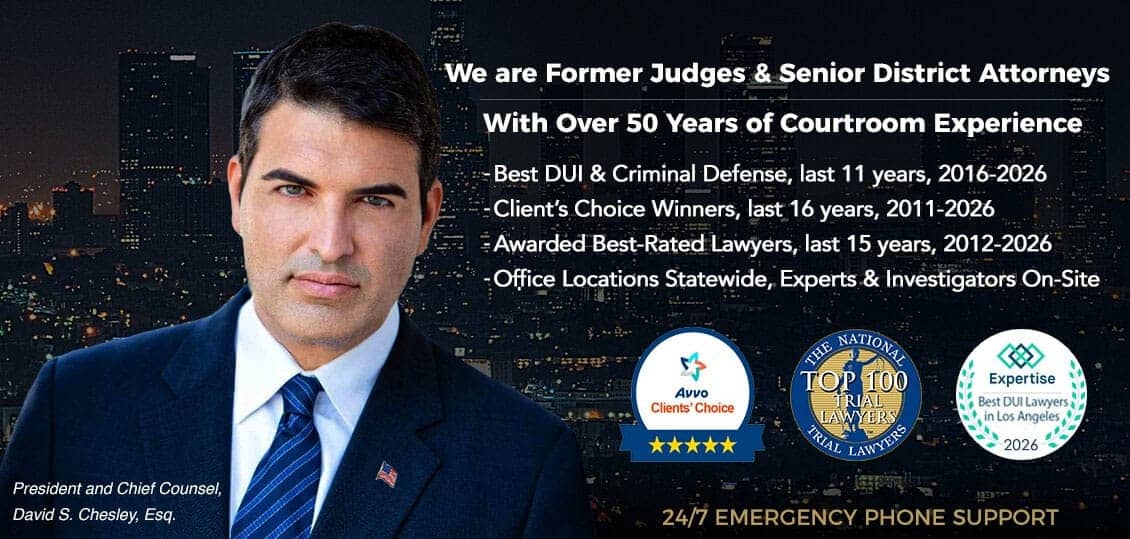
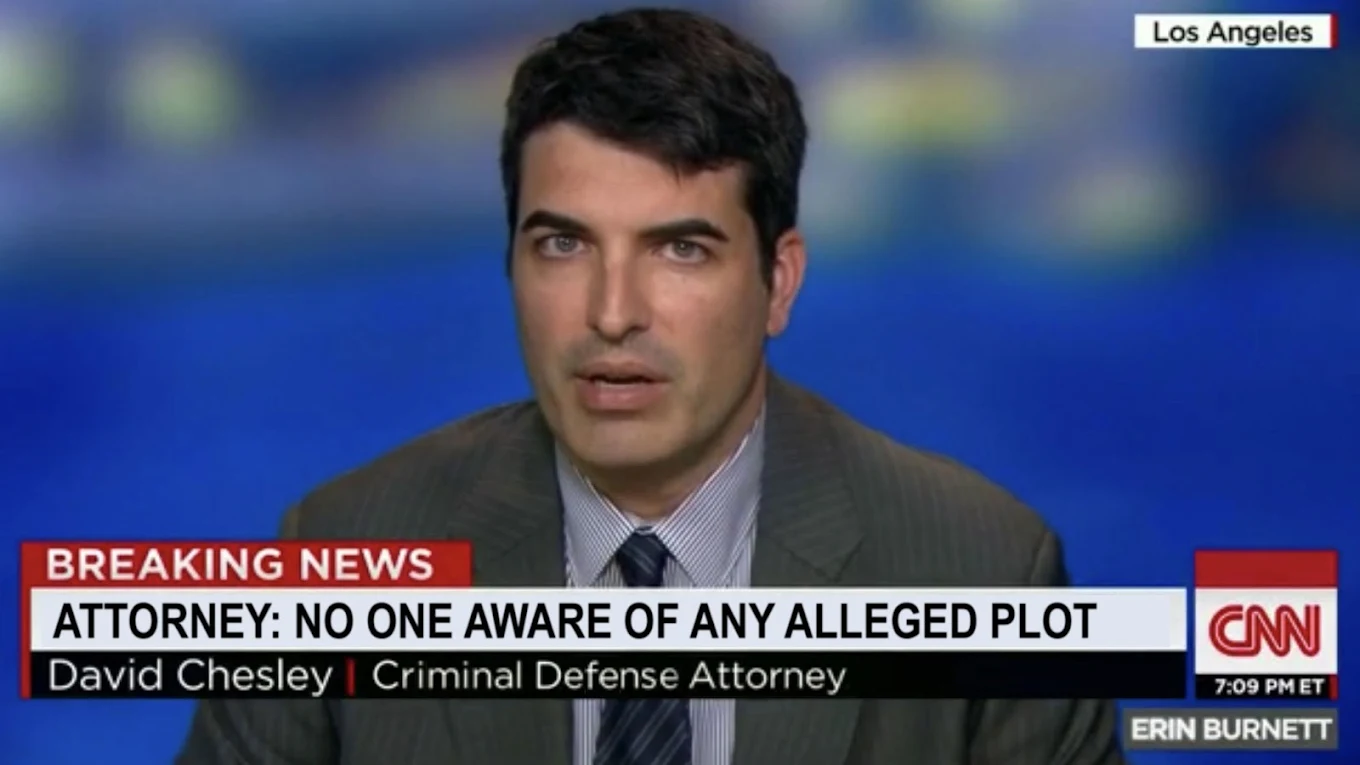
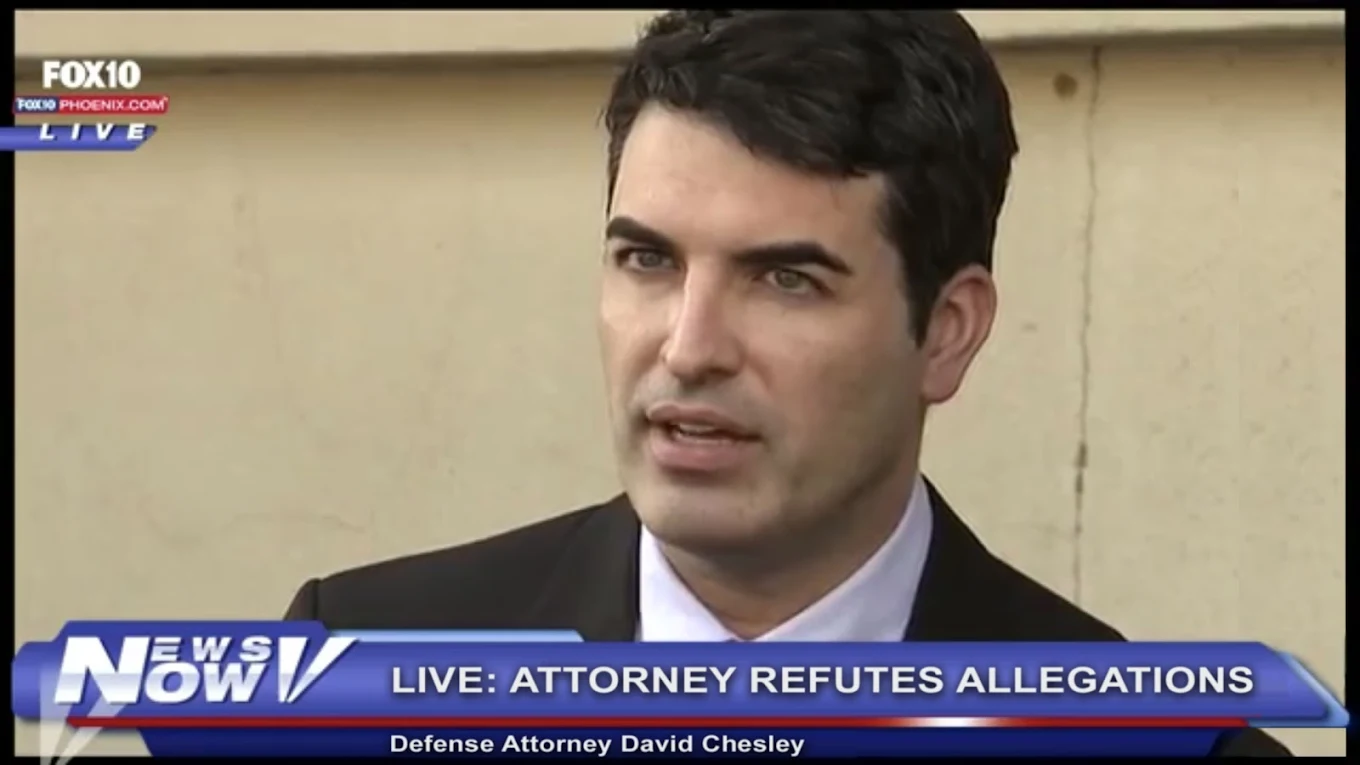
David Chesley in the news
Select a photo to enlarge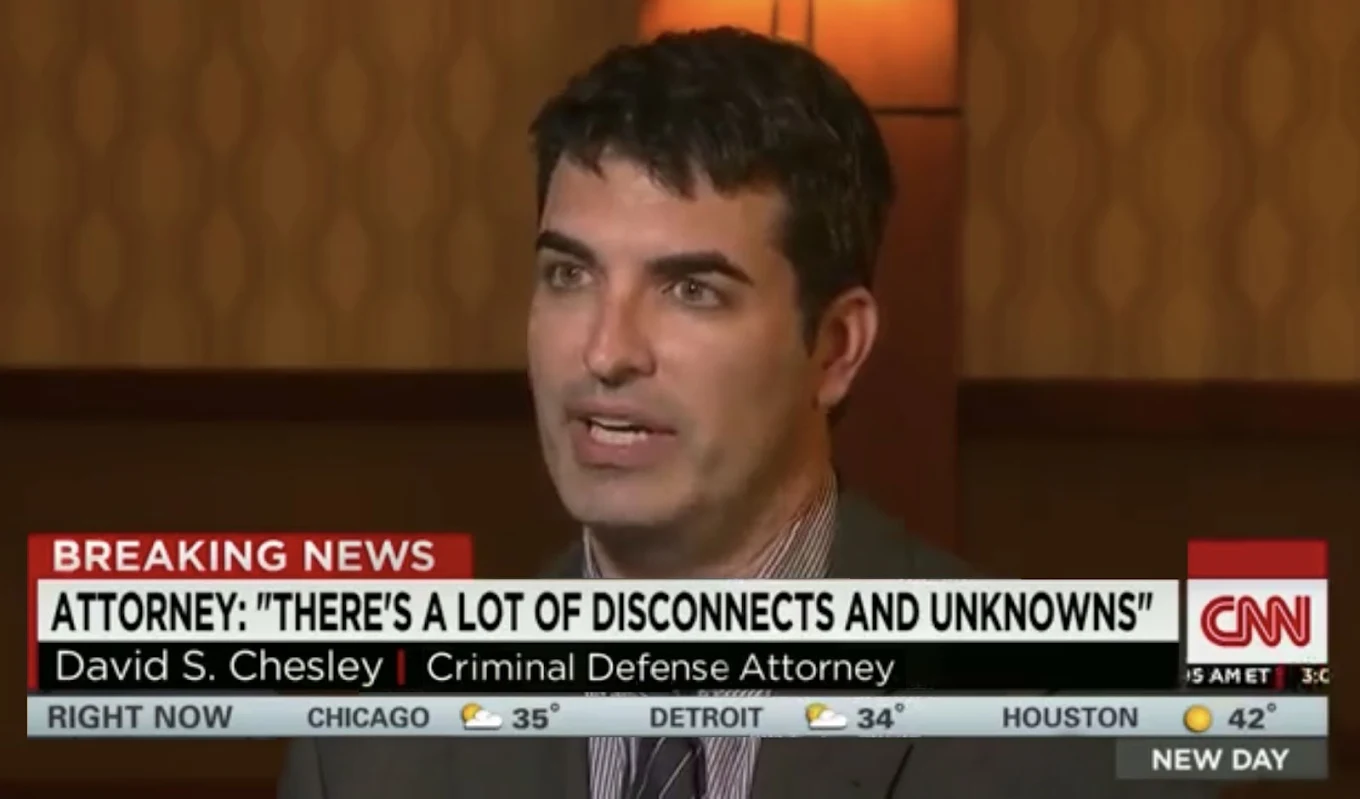

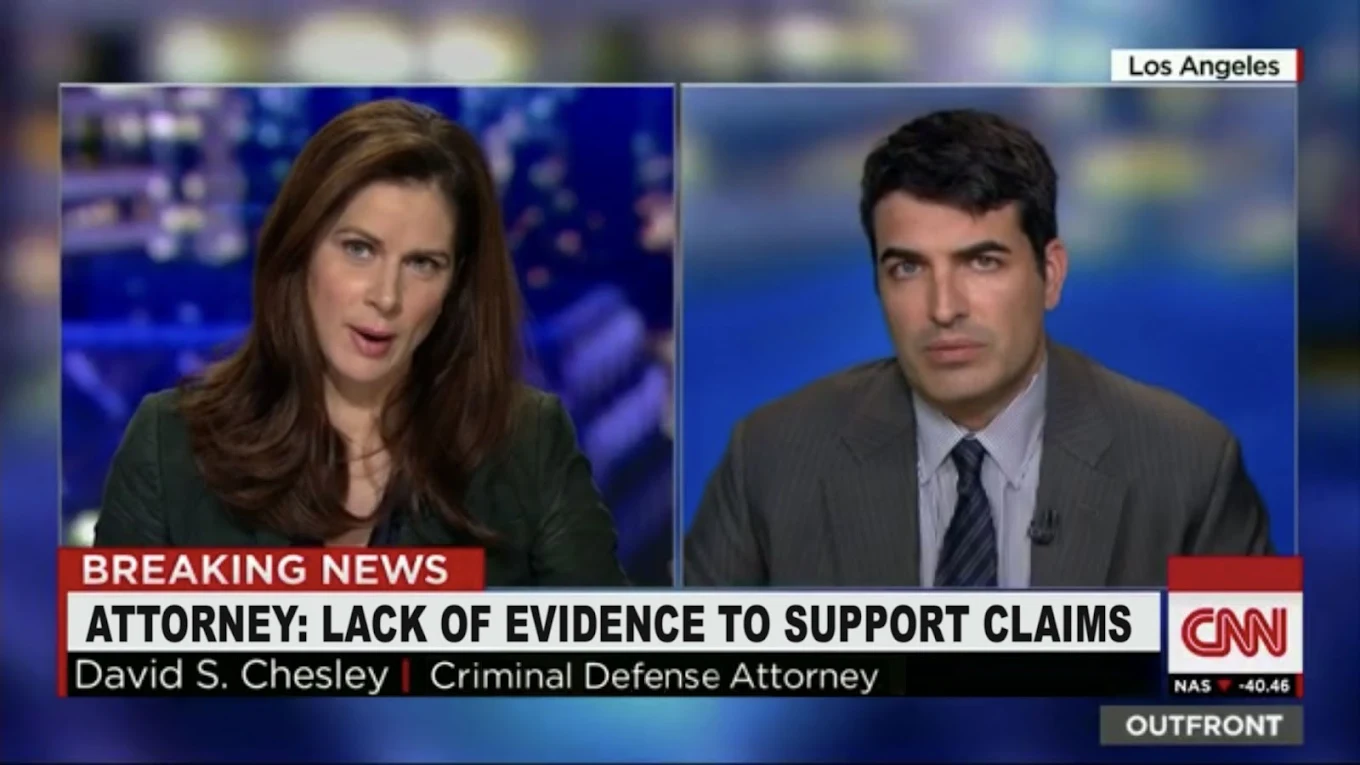
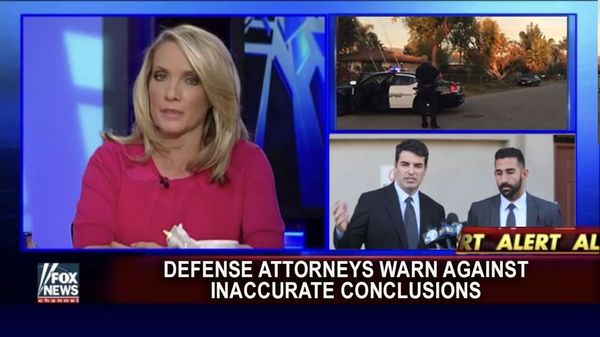
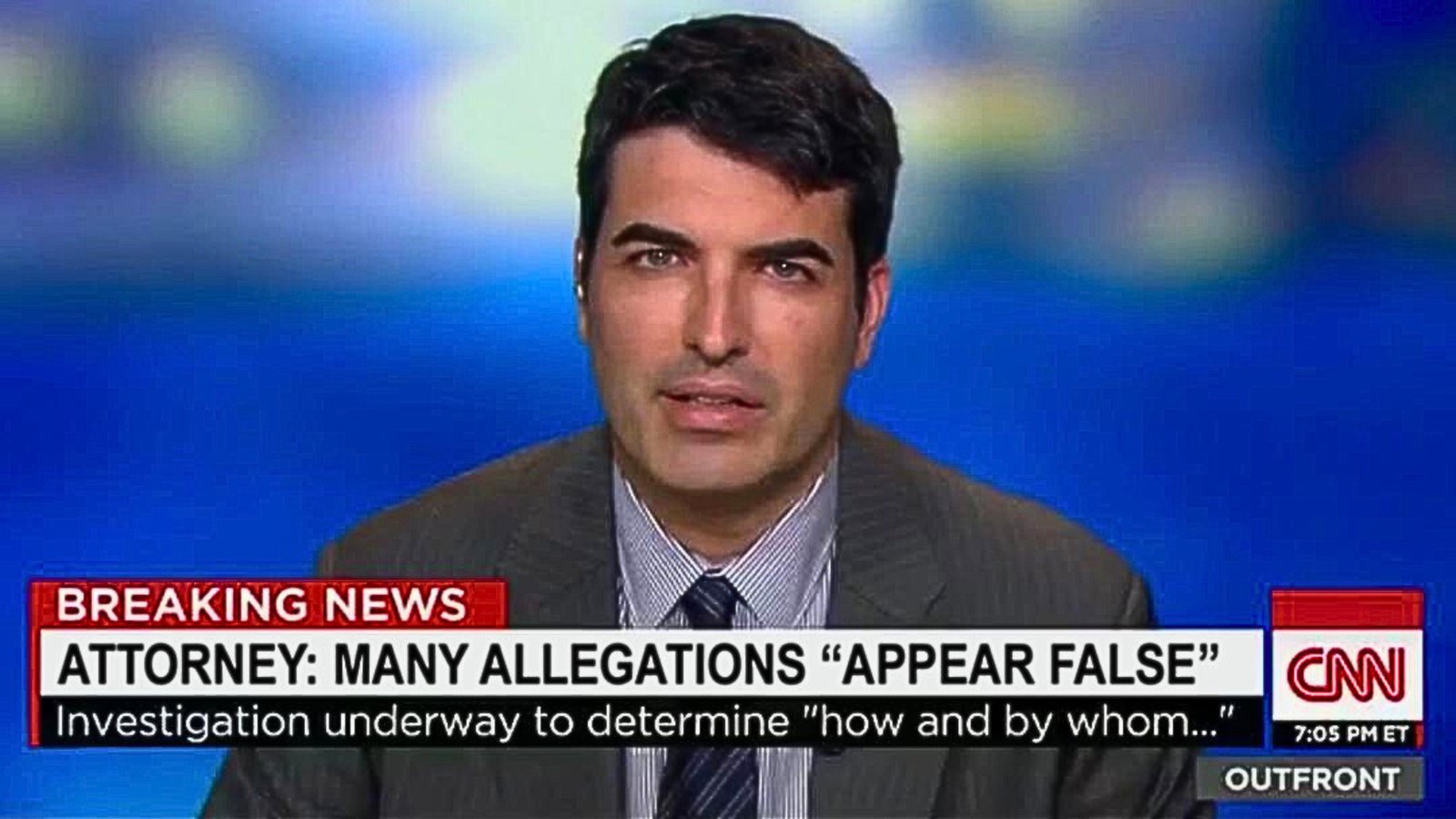
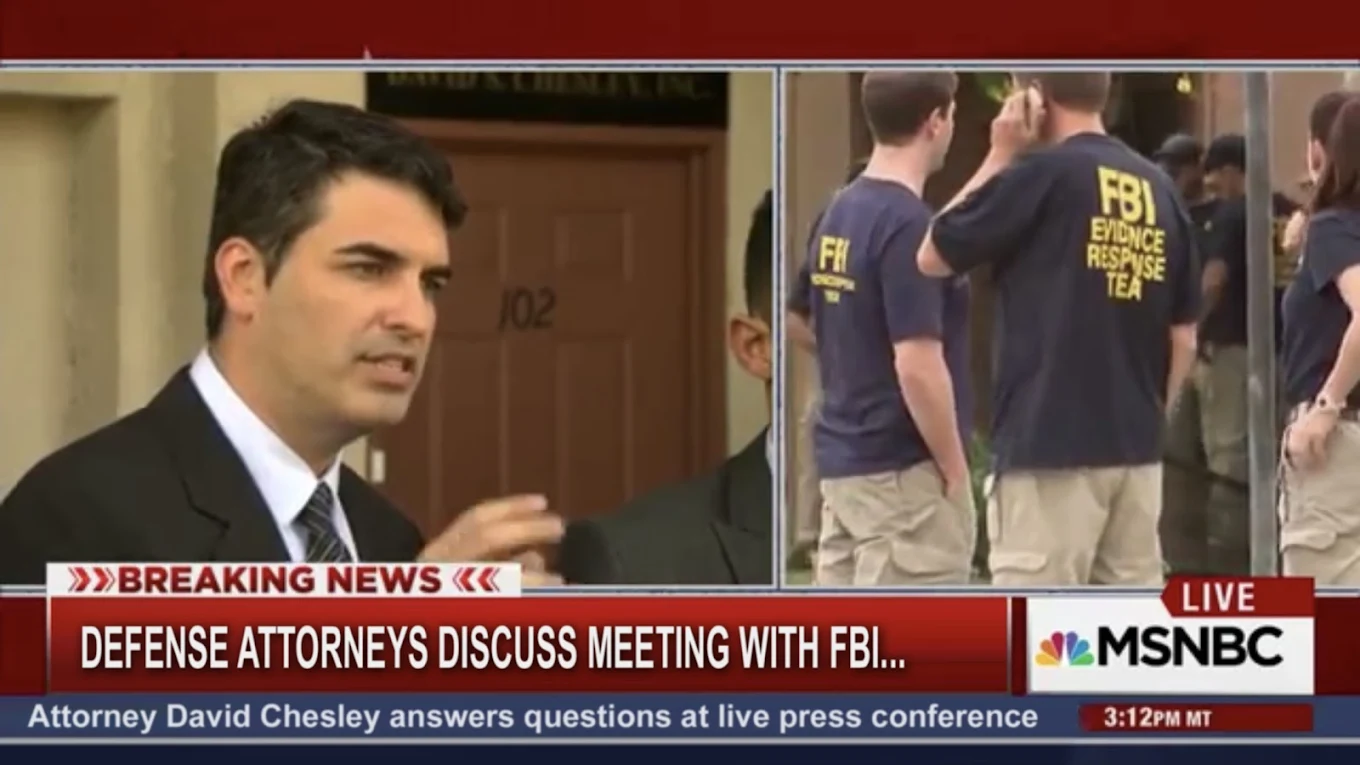
If you've been accused of a violent crime in California, you need an experienced violent crime lawyer fast. Without help, you are facing the prosecution alone. But the Law Offices of David S. Chesley is prepared to take your case.
Our firm includes former prosecutors and police officers who have insights into how the state builds its case. We use those insights to build personalized defenses for our clients, protecting their rights and fighting the allegations against them. Our team is available 24/7 and is ready for your case today — call now at (800) 755-5174 to get started.
The firm’s original article states: “Reviewed by Attorney David S. Chesley, September 2026. California criminal defense since June 2005, SBN 236611.” This attribution concerns the original article.
Key Points
- California defines violent crimes using a special list in PC § 667.5(c).
- "Violent felonies" are not the same thing as "serious felonies."
- Repeat violent felony convictions carry increased penalties.
- Violent felonies also count as strikes on your criminal record.
- Defenses that can potentially help fight violent crime charges include self-defense, defense of others, and mutual combat.
What Counts as a "Violent Crime" Under California Law?
California covers "violent felonies" in PC § 667.5(c). Rather than providing a blanket definition, the statute lists specific offenses that it classifies as violent. These include murder, robbery, arson, kidnapping, several sex crimes, and more. Having a violent felony conviction on your record can impact future sentences:
- Penal Code § 667.5(a) can add three years for each qualifying separate prior prison term for a listed violent felony when the new offense is also listed. Its ten-year washout and other statutory conditions require a case-specific review.
- Violent crime convictions also qualify as strikes on your record.
- If you are convicted of a felony with one prior strike, the sentence is doubled.
- With two qualifying prior strikes, a new serious or violent felony can trigger a 25-years-to-life term; the statute also has specified exceptions and other conditions.
- It would have counted as a violent crime if committed in California, and
- The out-of-state conviction meets California’s statutory requirements for a qualifying strike; time served alone does not decide that question.
One common mistake California residents make is confusing "violent felonies" with "serious felonies." Serious felonies are a separate category defined in PC § 1192.7(c), though there is overlap between the two lists. Serious felonies also count as strikes, but do not include the additional violent crime sentencing enhancements.
Some examples of felonies that California considers serious, but not violent, include:
- Selling heroin, cocaine, PCP, or methamphetamine to a minor
- Human trafficking of a minor
- Grand theft involving a firearm
- First-degree burglary, when a bystander is not present
Violent Crime Cases Our Lawyers Will Defend in Los Angeles
- Assault / Assault with a Deadly Weapon
- Battery / Domestic Violence
- Robbery / Carjacking
- Kidnapping
- Criminal Threats
- Firearm Offenses / Drive-By Shooting
- Assault Weapons
- Gang Enhancements
- Hate Crimes
- Mayhem / Torture
- Child Abuse / Elder Abuse
- Resisting Arrest / Assault on a Police Officer
- Stalking / Restraining Order Violations
- Aggravated Battery
- Battery Defense
- Child Abuse and Child Endangerment
- Criminal Threats (Penal Code 422)
- Kidnapping (Penal Code 207)
- Unlawful Possession of Firearms Charges
- Contempt for Violating a Domestic Violence Court Order
- False Accusations of Domestic Violence
- Gang-Related Violence
- Disturbing the Peace
- Evading Police
- Self-Defense and Defense of Others
- Three Strikes Defense Strategies
We offer comprehensive violent crime defense from your first consultation. If your charge isn't on the list above, call us at (800) 755-5174, and we'll tell you how we can help.
Why You Need to Take Los Angeles Violent Crime Charges Seriously
Los Angeles violent crime charges need to be taken seriously because of California's penalty enhancement laws and because of the wide range of collateral consequences that can be applied. No criminal charge should be taken lightly, but violent crimes in particular need legal help to defend against.
- California's Three Strikes Law — Felony violent crime convictions in California count as a strike, increasing future sentences.
- Enhanced Sentences — On top of strike penalties, violent felony convictions carry their own sentencing enhancements.
- Immigration Consequences — Many violent crime convictions are considered "aggravated felonies," which can be grounds for deportation.
- Potential Sex Offender Registration — Several violent crimes overlap with sex crimes, which require sex offender registration.
- Other Collateral Consequences — A conviction that is visible on your public record can become a barrier to jobs, education, housing, and more.
Common Los Angeles Violent Crime Charges and Their Penalties:
| Violent Offense | Statute | Misdemeanor Penalty | Felony Penalty | Strike Felony? |
|---|---|---|---|---|
| Assault With a Deadly Weapon (No Firearm) | PC § 245(a)(1) | Up to 364 days in jail and/or up to $10,000 in fines | 2, 3, or 4 years in prison and/or up to $10,000 in fines. | Yes |
| Assault With a Deadly Weapon (Standard Firearm) | PC § 245(a)(2) | 6 months to 364 days in jail; a fine up to $10,000 may be added | 2, 3, or 4 years in prison; a fine up to $10,000 may be added. | Yes |
| Simple Battery | PC § 242 | Up to 6 months in jail and/or up to $2,000 in fines | N/A | N/A |
| Robbery (First-Degree) | PC § 211 | N/A | 3, 4, or 6 years in prison and/or up to $10,000 in fines. | Yes |
| Robbery (Second-Degree) | PC § 211 | N/A | 2, 3, or 5 years in prison and/or up to $10,000 in fines. | Yes |
| Kidnapping | PC § 207 | N/A | 3, 5, or 8 years in prison and/or up to $10,000 in fines. | Yes |
| Criminal Threats | PC § 422 | Up to 364 days in jail and/or up to $1,000 in fines | 16 months, 2 or 3 years in prison and/or up to $10,000 in fines. An additional weapon term may apply only if the charged statute and proven facts support that enhancement. | Yes |
| Child Abuse | PC § 273d | Up to 364 days in jail and/or up to $6,000 in fines | 2, 4, or 6 years in prison and/or up to $6,000 in fines. | Possible – depending on injury. |
| Violation of a Restraining Order | PC § 273.6 | Up to 364 days in jail and/or up to $1,000 in fines | 16 months, 2 or 3 years in prison and/or up to $10,000 in fines. | No |
Note: Sentencing enhancements can apply, and you may face different penalties if your case includes multiple charges. Contact a Los Angeles violent crime lawyer for an in-depth review of the potential penalties you are facing.
When is an assault or battery charge a misdemeanor?
Simple assault and simple battery are misdemeanors on their own, carrying up to six months in jail, but an injury, a weapon or a peace officer victim raises the exposure.
The two charges are legally distinct. Penal Code 240 defines assault without requiring any contact:
An assault is an unlawful attempt, coupled with a present ability, to commit a violent injury on the person of another.
Battery, under Penal Code 242, needs contact but not an injury: "any willful and unlawful use of force or violence upon the person of another." The firm's pages on assault, battery and aggravated battery go further into each.
Willfully resisting, delaying or obstructing an officer in the course of their duties is its own misdemeanor, carrying up to 364 days in county jail once Penal Code 18.5 is applied to the statute's one-year cap. The firm's pages on assaulting a police officer, resisting arrest and obstructing an officer cover those related charges.
| Charge | Statute | Maximum penalty |
|---|---|---|
| Simple assault | 241(a) | Up to 6 months in county jail, a fine up to $1,000, or both |
| Simple battery | 243(a) | Up to 6 months, a fine up to $2,000, or both |
| Assault on a peace officer, firefighter, EMT or other listed worker | 241(c) | Up to 364 days (Penal Code 18.5), a fine up to $2,000, or both |
| Battery on the same listed workers | 243(b) | Up to 364 days, a fine up to $2,000, or both |
| Battery on those workers causing an injury needing medical treatment | 243(c)(1) | Up to 364 days, or 16 months, 2 or 3 years under Penal Code 1170(h) |
| Battery causing serious bodily injury | 243(d) | Up to 364 days, or 2, 3 or 4 years under 1170(h) |
The injury level usually drives the charge. Penal Code 243(f)(4) defines "serious bodily injury" to include loss of consciousness, a concussion, a bone fracture and a wound requiring extensive suturing, while 243(f)(5) defines an "injury" more broadly as any physical injury needing professional medical treatment. The firm's page on misdemeanors and felonies explains how that distinction plays out generally, and the state must prove any charge beyond a reasonable doubt regardless of the level filed.
How serious is an assault with a deadly weapon charge?
Penal Code 245 covers several distinct situations, and only three of its subdivisions can be filed as a misdemeanor instead of a straight felony.
| Subdivision | What it covers | Penalty | Misdemeanor possible? |
|---|---|---|---|
| 245(a)(1) | Deadly weapon or instrument other than a firearm | 2, 3 or 4 years state prison, or county jail up to 364 days, a fine up to $10,000, or both | Yes |
| 245(a)(2) | Firearm | 2, 3 or 4 years, or 6 months to 364 days in county jail; a fine up to $10,000 may be added | Yes |
| 245(a)(4) | Force likely to produce great bodily injury | Same as 245(a)(1) | Yes |
| 245(a)(3) | Machinegun, assault weapon or .50 BMG rifle | 4, 8 or 12 years | No |
| 245(b) | Semiautomatic firearm | 3, 6 or 9 years | No |
| 245(c) | Deadly weapon or force likely, on an on-duty peace officer or firefighter | 3, 4 or 5 years | No |
| 245(d)(1) | Firearm on an on-duty peace officer or firefighter | 4, 6 or 8 years | No |
| 245(d)(2) | Semiautomatic firearm on an on-duty peace officer or firefighter | 5, 7 or 9 years | No |
Penal Code 1192.7(c)(31) names assault with a deadly weapon, a firearm, a machinegun, an assault weapon or a semiautomatic firearm, and assault on a peace officer or firefighter, as serious felonies. Force likely to produce great bodily injury under 245(a)(4) is not on that list by name; it becomes a strike only through a separate listed item, such as personally inflicting great bodily injury, and a misdemeanor conviction is never a strike regardless of the subdivision. Each version of the charge gets its own deeper page: assault with a deadly weapon, aggravated assault, and the force-likely variant specifically.
What do threat, stalking and witness-intimidation charges require?
Criminal threats, stalking and dissuading a witness can each reach a felony without physical contact, and all three turn on the person's state of mind, not just their words.
A criminal threats charge under Penal Code 422 needs a willful threat to commit a crime causing death or great bodily injury, made with the specific intent that it be taken as a threat, so unequivocal, unconditional, immediate and specific that it conveys a gravity of purpose and an immediate prospect of being carried out, and that actually causes reasonable, sustained fear in the listener or their immediate family. The person making the threat does not have to intend to follow through. It carries up to 364 days as a misdemeanor or state prison as a felony, and a felony conviction is a serious felony, though not one of the violent felonies. Some search engines return this charge as terrorist threats.
Stalking under Penal Code 646.9 requires willfully and maliciously following or harassing someone repeatedly, combined with a credible threat meant to place them in reasonable fear for their own safety or their family's. Since January 1, 2026, that credible threat can be shown through a threat to the person's pet, service animal, emotional support animal or horse, not only the person themselves. A base conviction carries up to 364 days in jail, a fine up to $1,000, or state prison, and 2, 3 or 4 years when a restraining order already barred the same conduct.
Dissuading a witness under Penal Code 136.1 covers knowingly and maliciously trying to stop a victim or witness from testifying or reporting, and even an unsuccessful attempt is punished the same as a completed one. It is a wobbler, and a straight felony punishable by 2, 3 or 4 years when force or a threat of force is used, when it furthers a conspiracy, after a prior conviction for it, or when done for payment. The statute says directly that proof no one was actually hurt or intimidated is not a defense.
Which gun charges come up in a Los Angeles violent crime case?
Gun-related charges range from brandishing, a misdemeanor with a short mandatory minimum, up to shooting at an inhabited home or occupied vehicle, a felony carrying a term of years.
| Charge | Penalty |
|---|---|
| Brandishing a firearm in public (Penal Code 417(a)(2)(A)) | Misdemeanor, at least 3 months in county jail, a fine up to $1,000, or both |
| Brandishing a non-firearm deadly weapon (417(a)(1)) | Misdemeanor, at least 30 days in county jail |
| Brandishing a firearm at a peace officer (417(c)) | 9 months to 364 days in county jail (Penal Code 18.5), or 16 months, 2 or 3 years in state prison |
| Grossly negligent discharge of a firearm (246.3(a)) | Up to 364 days, or a felony under Penal Code 1170(h) |
| Shooting at an inhabited dwelling or occupied vehicle (246) | 3, 5 or 7 years, or 6 months to 364 days in county jail |
| Knowingly carrying a concealed firearm (25400) | Misdemeanor by default; a felony or wobbler in listed situations |
| Knowingly carrying a loaded firearm in public (25850) | Misdemeanor by default; a felony or wobbler in listed situations |
| Felon or addict in possession of a firearm (29800(a)(1)) | Felony; default term 16 months, 2 or 3 years (Penal Code 18(a)) |
"Inhabited" under Penal Code 246 means the structure is used as a dwelling, whether or not anyone happens to be inside at the time. A firearm carried openly in a belt holster is not "concealed" under 25400, and refusing to let an officer check whether a carried gun is loaded is itself probable cause for an arrest under 25850. The firm's firearm offenses overview maps how the charges relate to each other. From there, the possession-side charges each get their own page: unlawful possession, a felon in possession of a firearm, a concealed firearm, and ammunition held by a prohibited person. The conduct-side charges do too: brandishing, discharging a firearm, a drive-by shooting, and firing at an inhabited dwelling. Gun ownership questions also touch the Second Amendment, though California's own restrictions still apply on top of it; the Attorney General's overview of key California firearms laws summarizes the state picture.
Effective Defenses Our Lawyers Use Against Violent Crime Charges
In addition to standard defenses against criminal charges, violent crime defenses frequently include elements of self-defense or defense of others. Your defense attorney can help you pick the right strategy for your case — here are some that we've found effective for clients accused of violent crimes:
- Self-Defense/Defense of Others — Self-defense or defense of others applies when you felt legitimately threatened and acted to protect yourself or someone else.
- False Accusation — For example, during a custody battle, one person could falsely accuse the other of child abuse for an advantage.
- Mistaken Identity — Unfortunately, eyewitness testimony isn't always reliable, and our lawyers can use that to claim that someone else was responsible.
- Insufficient Evidence — You are innocent until proven guilty. If the prosecution failed to prove your guilt beyond a reasonable doubt, we will highlight that.
- Lack of Intent — Some charges, like battery, can be mitigated if the contact was accidental.
- Illegal Search and Seizure (4th Amendment Violation) — Evidence found through illegal means can be challenged and thrown out.
- Mutual Combat — Mutual combat occurs when two people consent to fight. This defense comes with many caveats and should always be discussed with a lawyer before using it in court.
When does California law allow force in self-defense?
California lets a person about to be harmed use force sufficient to prevent the offense; a killing needs fear a reasonable person would share, and acting on that fear alone.
Penal Code 693 states the basic right: "Resistance sufficient to prevent the offense may be made by the party about to be injured," and Penal Code 694 extends that same right to anyone acting to defend them. Where a death results, Penal Code 197 treats a killing as justifiable when resisting an attempt to murder, to commit a felony, or to do great bodily injury, but the next section limits how far that goes:
A bare fear of the commission of any of the offenses mentioned in subdivisions 2 and 3 of Section 197, to prevent which homicide may be lawfully committed, is not sufficient to justify it. But the circumstances must be sufficient to excite the fears of a reasonable person, and the party killing must have acted under the influence of such fears alone.
Source: Penal Code 198. Inside a person's own residence, Penal Code 198.5 presumes that fear was reasonable when force is used against someone from outside the household who entered unlawfully and forcibly, if the resident knew or had reason to believe that happened. The firm's answers on the home intruder presumption and self-defense versus mutual combat go into the proof problems that come up. The firm's pages on self-defense and defense of others, lack of intent or accident and defenses to violent crime charges cover the rest.
The Justice Process for Violent Crime Cases in Los Angeles
Violent crime cases follow the same general court process as other criminal cases in Los Angeles, starting with an arrest, going through the arraignment and pre-trial processes, and then the trial itself.
Your lawyer will be with you from the moment you call all the way until the verdict is delivered. They can help explain what's going on and give you counsel on every step:
- Arrest — If you've been accused and the police feel they have justified cause, you will be placed under arrest. Contact an attorney as soon as possible
- Arraignment and Bail — At an arraignment, you'll be formally accused of breaking the law and given a bail amount.
- Preliminary Hearing — California preliminary hearings require the prosecutor to establish probable cause before going forward with felony charges.
- Pretrial Motions — These vary from case to case; some of the ones our lawyers commonly file include motions to suppress evidence, motions to dismiss charges, Pitchess motions, and motions to suppress statements.
- Plea Negotiations — Before the trial, your Los Angeles violent crime lawyer will negotiate with the prosecutor for reduced charges and a plea deal.
- Trial — If no plea deal is found, your attorney will present your defense in front of a jury.
- Sentencing (If Applicable) — If found guilty, most felony cases go through a sentencing hearing, where your defense attorney can advocate for leniency.
- Appeals (If Applicable) — Appeals give you an opportunity to challenge any mistakes or rights violations that occurred during your trial.
Where is a violent crime case in Los Angeles heard?
Most Los Angeles violent crime cases go through the Superior Court's Central District, where the court's local rules set arraignments at the Foltz Criminal Justice Center or the Metropolitan Courthouse.
The court's own local rules assign felony arraignments to Foltz-CJC Department 30 or the Metropolitan Courthouse (1945 South Hill Street, Los Angeles, CA 90007), and misdemeanor arraignments to Foltz-CJC Departments 40 or 48 or the Metropolitan Courthouse; the court's current courtroom directory has renumbered the Metropolitan departments and lists the East Los Angeles Courthouse for juvenile justice only. The Foltz Criminal Justice Center itself, at 210 West Temple Street, Los Angeles, CA 90012, hears only criminal matters, is open 7:00 a.m. to 5:00 p.m., and its own directory lists a Criminal Clerk's Office, District Attorney's Office, Public Defender's Office, Alternate Public Defender's Office and a Bail and Bond window. Exactly which building and department hears a given case is printed on the citation, notice to appear or release paperwork, not guessed from a street address; the firm's guide to Los Angeles County courthouse assignment explains the underlying rule.
Who investigates a violent crime in Los Angeles, and who prosecutes the case?
Inside the city, the Los Angeles Police Department investigates, and the case is then prosecuted by the City Attorney for most misdemeanors or the County District Attorney for every felony.
The County District Attorney's own page lists Los Angeles among the cities where it does not prosecute misdemeanors:
The Los Angeles County District Attorney's Office prosecutes felony crimes throughout Los Angeles County and misdemeanor crimes in unincorporated areas of the county and in all cities except Burbank, Hawthorne, Hermosa Beach, Inglewood, Long Beach, Los Angeles, Pasadena, Redondo Beach, Santa Monica and Torrance.
Source: District Attorney's office FAQ. The City Attorney's own site fills the gap that creates:
The City Attorney's Criminal Branch prosecutes criminal misdemeanors and infractions committed within the City limits. Working closely with LAPD and other law enforcement agencies, the 200+ prosecutors in the Criminal Branch prosecute a broad range of criminal offenses including domestic violence, driving under the influence, firearms, environmental, animal cruelty, theft and vandalism.
Source: Los Angeles City Attorney, About page. The DA's own headquarters sits at 211 West Temple Street, Suite 1200, Los Angeles, CA 90012, phone (213) 974-3512. Under Penal Code 987(a), the court appoints a lawyer at arraignment for a defendant who wants one and cannot afford one. A charge brought under federal rather than state law instead proceeds in federal court; see the firm's page on federal crimes.
What happens at booking, and what are your first rights in custody?
LAPD bookings go to one of three jail facilities, and state law gives an arrested person phone calls and, if held in custody, a prompt court appearance.
LAPD's own custody page lists three jails: the Metropolitan Detention Center at 180 North Los Angeles Street, downtown, phone (213) 356-3400; the 77th Street Regional Jail at 7600 South Broadway; and the Valley Jail Section at 6240 Sylmar Avenue in Van Nuys. One shared line covers both LAPD and Sheriff's custody status checks:
The public can call 213-473-6100, 24 hours a day to find out if a person is in custody. Callers can obtain information on anyone who is in custody at jails operated by either the Los Angeles Police Department or Los Angeles County Sheriff's Department.
Source: LAPD jail and custody information page. Three statutory protections apply from the moment of arrest:
- Phone calls. Within three hours of arrest, unless that is physically impossible, the person may make at least three completed calls, and a call to a lawyer may not be monitored or recorded (Penal Code 851.5).
- A judge within 48 hours. A person held in custody must be brought before a judge without unnecessary delay and within 48 hours, not counting Sundays and holidays (Penal Code 825(a)(1)).
- A lawyer visit. Any California-licensed lawyer may visit the person at the request of the person or a relative (Penal Code 825(b)).
LAPD's own page says anyone still in custody after arraignment is remanded to the Los Angeles County Sheriff's Department, which runs facilities such as Men's Central Jail and the Century Regional Detention Facility; the same 24-hour line covers both systems.
What is Los Angeles County's current bail policy for a violent felony charge?
A serious or violent felony is not eligible for zero-dollar pre-arraignment release, and the court's 2026 schedule instead lists a dollar figure for most common charges.
Los Angeles County's 2026 Felony Bail Schedule, effective January 1, 2026, opens with a Pre-Arraignment Release Protocol that sorts lower-level felonies into zero-dollar Cite and Release, Book and Release and Magistrate Review categories, but a long list of serious and violent offenses instead carries a presumptive dollar amount tied to the charge's strike status:
| Charge | Presumptive bail |
|---|---|
| Battery causing serious bodily injury (Penal Code 243(d)) | $50,000 |
| Assault with a deadly weapon or a firearm (245(a)(1), (a)(2)) | $30,000 |
| Assault with a semiautomatic firearm (245(b)) | $75,000 |
| Assault with a deadly weapon on a peace officer or firefighter (245(c)) | $50,000 |
| Assault with a firearm on a peace officer or firefighter (245(d)(1)) | $100,000 |
| Criminal threats (422) | $50,000 |
| Corporal injury to a spouse or cohabitant (273.5) | $50,000 |
| Shooting at an inhabited dwelling or occupied vehicle (246) | $250,000 |
| Second-degree robbery (211, 212.5(c)) | $50,000 |
| First-degree robbery (211, 212.5(a)) | $100,000 |
| Carjacking (215) | $100,000 |
| Kidnapping (207) | $100,000 |
| Kidnapping for ransom, robbery or a sex offense (209, 209.5) | $1,000,000 |
For a lower-level felony not on this list, the schedule's own guideline figures apply if a judicial officer sets a financial condition at all: $25,000 for Cite and Release, $50,000 for Book and Release, and $75,000 for Magistrate Review. Enhancements add to the base figure: the schedule adds up to $1,000,000 for personally discharging a firearm and causing great bodily injury or death, $200,000 for discharging a firearm without that result, $50,000 for possessing or using a firearm without discharge, $30,000 for inflicting great bodily injury, and $50,000 for each prior serious or violent felony conviction.
Once a judge sets bail in person, that amount controls, and the judge must weigh public safety, the seriousness of the charge, the person's record and the likelihood of appearing, with public safety as the primary factor. In re Humphrey (2021) requires the court to consider the person's ability to pay before setting a financial condition, and to consider whether nonfinancial conditions, such as supervised release, could reasonably protect the public and the victim or reasonably assure the person's return to court. In re Kowalczyk (April 30, 2026) adds that any amount the court does set must be reasonably attainable for that particular defendant, based on the full circumstances of the case, and that bail itself may be denied outright only for the narrow set of offenses listed in article I, section 12(b) and (c) of the state Constitution. For a serious or violent felony other than residential burglary, and listed charges such as felony criminal threats and stalking, Penal Code 1270.1 requires a hearing in open court, with two court days' written notice, before bail can be set below the schedule or own-recognizance release granted, and Penal Code 1319 bars own-recognizance release for any violent felony until a hearing in open court with notice to the prosecutor. See the firm's guide on how California bail amounts are set.
What Sets the Law Offices of David S. Chesley Apart?
The Law Offices of David S. Chesley provides experienced criminal defense insights drawn from our lawyers' time working for the state. We know how the prosecution thinks and plans its cases, giving us an edge when we build defenses to combat them.
Additionally, our law firm is based in Los Angeles, but has offices throughout all of California. We negotiate plea offers in different courts on behalf of our clients, and each client decides whether to accept one.
Here's more of what sets us apart:
- We are available 24/7 because arrests can happen outside of business hours.
- We have over 50 years of combined courtroom experience.
- We will always be honest when evaluating your case: No overpromising and underdelivering.
- We are well-regarded by former clients and professionally recognized.
- We offer affordable payment plans because everyone deserves a quality defense, no matter your income.
Check out our recent violent crimes case results to learn more about how we've helped California residents handle their cases.
Los Angeles Violent Crime FAQs:
What is considered a violent crime in California?
In California, a "violent crime" generally refers to offenses listed in PC § 667.5(c). Some examples include:
- Murder
- Rape
- Armed Robbery
- Mayhem
- Aggravated Assault
- Kidnapping
How much jail time can I get for a violent felony in Los Angeles?
The exact sentence depends on what statute you're accused of violating. A felony’s possible term depends on the charged statute and sentencing findings; probation, a local-jail term, or a prison term may be possible in different cases. For example, first-degree robbery has potential sentences of 3, 4, or 6 years in prison.
It's also important to note that a qualifying separate prior prison term for a listed violent felony may add three years to a new listed violent-felony sentence under Penal Code § 667.5(a), subject to the statutory washout and other conditions.
Additionally, violent felony convictions count as a strike. With one strike, future violent felony convictions have their sentences doubled. With two qualifying prior strikes, a new serious or violent felony generally can trigger a 25-years-to-life sentence, subject to statutory conditions and exceptions.
Can a violent crime charge be reduced or dismissed?
Yes, violent crime charges can be reduced or dismissed. This is not always possible in every case, but a skilled defense attorney can challenge the evidence and negotiate with the prosecutor for a positive outcome.
Does a violent felony count as a "strike" in California?
Yes, a violent felony counts as a "strike" in California. Here's how that impacts your case:
- First Strike: A serious or violent felony conviction can have immediate penalties and may count as a prior strike in a later case.
- Second Strike: New felony convictions double their sentence.
- Third Strike: A new serious or violent felony with two qualifying prior strikes generally can trigger 25 years to life, subject to statutory conditions and exceptions.
What should I do immediately after being arrested for a violent crime?
If you've been arrested for a violent crime in Los Angeles, take the following steps:
- Remain Silent
- Request an Attorney
- Post Bail (if applicable)
- Gather Evidence
- Develop a Defense
Will a violent crime conviction affect my immigration status?
Yes — Non-U.S. citizens face several challenges after a violent crime conviction. In some cases, it can be grounds for deportation, due to their classification as "aggravated felonies." They may also face restrictions on green card and visa applications, or outright denial to enter the country.
Does a “violent felony” affect how much of the sentence must actually be served?
Yes, separately from the strike consequences described above. Under Penal Code section 2933.1, a person convicted of a felony listed in section 667.5(c), the same violent-felony list discussed above, can earn credit of no more than 15 percent of the time spent in county jail after arrest and before delivery to state prison (section 2933.1(c)); in state prison, the California Department of Corrections and Rehabilitation sets credit earning under Proposition 57. This credit limit is separate from, and in addition to, the strike consequences that can also follow a listed offense. A conviction for a serious felony under section 1192.7(c) that is not also on the violent-felony list does not carry this specific 15-percent credit limit, which is one more reason the exact statute and subdivision charged, not just the “serious” or “violent” label, controls the real exposure in a given case.
Los Angeles Violent Crime Charge Resources:
Los Angeles and California Court Resources
Los Angeles County Superior Court
Los Angeles Superior Court Criminal Division
California Courts Criminal Case Guide
California Courts: Guide to Protective Orders
Law Offices of David S. Chesley
Main Office:
6260 Laurel Canyon Blvd, Suite 102,
North Hollywood, CA 91606
(800) 755-5174
Los Angeles County Office:
1933 S Broadway Suite 1100
Los Angeles, CA 90007
(213) 908-2262
Criminal Defense
Violent Crimes Defense
Nearby cities we serve
Looking for a violent crimes or domestic violence lawyer in a nearby city? See the firm's page for that city.
- Van Nuys violent crimes lawyer
- Van Nuys domestic violence lawyer
- Sherman Oaks violent crimes lawyer
- Rancho Cucamonga violent crimes lawyer
- Ontario violent crimes lawyer
- Long Beach violent crimes lawyer
Get Help Fighting Violent Crime Charges in Los Angeles Today
The Law Offices of David S. Chesley is committed to providing a high-quality defense to Los Angeles residents. If you're facing criminal charges, it's important to contact an attorney immediately to start building your defense. We offer:
- Free, confidential consultations,
- Years of experience defending similar charges,
- Connections in Los Angeles courthouses, and
- Affordable payment plans.
Talk to a Los Angeles violent crime lawyer today by calling (800) 755-5174 or using our online contact form.
Additional violent-crime guidance and resources
California Violent Crime Offenses
You Need to Hire an Experienced California Violent Crimes Defense Attorney
Los Angeles lawyer, David S. Chesley, and his team of experienced California criminal lawyers are dedicated to providing you with the best criminal defense representation to work toward a better resolution of your criminal violent case.
If you are arrested for or accused of a violent crime, the state of California has a strict and stringent framework of violent crime laws in place to penalize the violent offenders and to minimize the crime rate in the state. However, due to its complicated laws, inappropriate procedures, and flawed investigation process, sometimes innocent people are charged with violent crimes and face severe penalties.
As we have been the part of the judicial and law enforcement system for more than 50 years, we understand what it takes to build a successful criminal defense. We know about police procedures, evidence collection, how evidence are presented in the court and know the complications in establishing evidence beyond reasonable doubt. Running an exhaustive investigation from crime scene to the major suspects, we aim to reduce the sentence if any.
Violent-crime allegations and California’s listed violent felonies
The firm addresses allegations involving arson, assault, assault with a weapon, assault on a police officer, battery, child abuse, child endangerment, domestic violence, possession of illegal weapons, illegal imprisonment, kidnapping, gang-related crimes, manslaughter, homicide, stalking, and resisting arrest. These broad charge labels are not all listed violent felonies under Penal Code § 667.5(c). The exact conviction and statutory subdivision matter, as the following explanation describes.
In the complicated scenario of violent crimes, it is imprudent to represent yourself or rely on a public defendant to fight on your behalf. We have experienced Los Angeles criminal defense lawyers that represent our clients throughout California, preparing a strong defense for a violent crime case requires time and experience.
Violent Crime Penalties
Consequences depend on the conviction and findings, not on a broad “violent crime” label. They can include a fine, probation, counseling, a jail or prison term, or other court orders. Qualifying homicide and other specifically listed offenses can carry life terms; California’s death-penalty provisions apply only in legally eligible cases with the required findings.
- A charge-specific jail or prison term, if the conviction permits incarceration
- A probation period
- Thousands of dollars in monetary fines
- Enrollment in anger management program
- Life without parole or death only when a qualifying capital-murder allegation and required special circumstances are proved
Apart from the financial and physical challenges, a violent crime trial can be psychologically taxing and stressful for you. It is not just the monetary fines and jail time, but your freedom, reputation, and career can be severely affected if you are charged with a violent crime in California
Why do you need our criminal defense attorneys?
Because our attorneys handle exclusively criminal defense cases in Los Angeles and throughout California. A criminal charge becomes part of your record and can affect your life in the following years, if you have a conviction on your record, it can have a serious impact if you are later convicted of another crime. A prior conviction in the record can result in harsher and more strict sentences in the later cases.
In addition to this, if you are applying for a new job or want to rent a place or want to purchase a weapon, even a misdemeanor can seriously reduce your chances. A criminal conviction means that you will have to face several closed doors and lost opportunities. So, if you are charged with a violent crime, it is important to hire an experienced California criminal defense attorney.
Why Choose Our Los Angeles Experienced Criminal Defense Attorneys?
Stretched across the state, we have seen the state’s judicial system, laws and local courthouses up close. With our previous experience in law enforcement and prosecution, we can play devil’s advocate in preparing the case and constituting strong arguments against the evidence. We know about the untruthful witnesses, planted evidence, fake stories, and forced testimonies and we know how to turn them around.
Contact us for help
If you or a family member has been accused or arrested for a violent crime, you can contact our California experienced criminal defense attorneys today for legal representation. A conviction can remain visible in criminal records, although the available relief and disclosure rules depend on the judgment and statute. One of our experienced California criminal defense attorneys will give you an upper hand in avoiding both.
At the Law Offices of David Chesley, we invite you to contact us for your free initial consultation. During this consultation one of our experienced California criminal defense attorneys will help you explore all the options available to you when fighting a violent crime case or any other type of criminal charges. Call us today at 1-800-755-5174.
Los Angeles violent-crime charges: identify the actual count
A violent-crime accusation can refer to very different acts. The police report may describe an assault, while the complaint charges assault with a deadly weapon, robbery, a criminal threat, or a separate firearm offense. Ask counsel to compare the complaint, any enhancement allegation, and the evidence for each element before treating the police label as the filed charge. Preserve the full incident sequence, including video recorded before and after the moment highlighted in a report. Avoid contacting a witness to coordinate an account or violating any served protective order.
California's list of violent felonies in Penal Code section 667.5(c) differs from its list of serious felonies in section 1192.7(c). Some offenses appear in both; a charge does not become a listed violent felony merely because violence is alleged in ordinary speech. The exact conviction, relevant subdivision, and proven enhancements determine whether a strike or another sentencing rule applies. A prior conviction also requires review of its statute, judgment, date, and any applicable out-of-state comparison. Neither an arrest label nor a generic “third strike” warning tells you the sentence in this case.
Different charges require different evidence
The firm discusses assault, battery, assault with a deadly weapon, robbery, kidnapping, criminal threats, domestic violence, and firearm offenses in separate guides. Other allegations may involve child or elder abuse, stalking, a protective-order violation, resisting arrest, a hate-crime allegation, gang conduct, mayhem, or torture. These labels are not interchangeable. For example, an unwanted touching is a different issue from an attempted application of force; a threat case asks what was said, how it was communicated, and whether the statute's required fear is supported. A robbery analysis asks whether property was taken from a person or immediate presence by force or fear. The actual subdivision controls; a table of broad offense names cannot decide the charge or penalty.
The same event can produce overlapping counts. Counsel should check whether a weapon allegation is part of the offense itself, a separately pleaded enhancement, or both, and whether the prosecutor can rely on the same fact twice under the applicable sentencing rules. A criminal threat may be charged without physical injury; a battery allegation may turn on contact even when the parties dispute how serious an injury was. Robbery requires a taking by force or fear, while a later possession allegation can raise a different knowledge issue. These examples show why a generic violent-crime penalty chart is only a starting point. The complaint, statutes, and factual record determine which questions belong in the defense review.
A useful first consultation starts with the complaint or citation, arrest and booking papers, notice of the next hearing, and copies of any served order. Identify who recorded the event, where each person stood, whether a weapon was recovered, and whether medical records or photographs support the injury alleged. An early request to preserve nearby business video, phone messages, dispatch audio, and body-camera footage may matter more than a generalized argument that witnesses disagree. Counsel can distinguish evidence that supports an underlying count from evidence offered only for an enhancement.
More charge and defense guides
The current charge and alleged conduct determine which guide is relevant: assault on a police officer, child abuse, drive-by shooting, elder abuse, gang enhancements, hate crimes, mayhem, resisting arrest, stalking, torture, and violating a restraining or protective order. The violent-crime defenses guide addresses questions that may cross several charges. A linked subject is not a claim that it applies to every case.
Court papers and evidence may also raise a specific motion to dismiss, motion to suppress evidence, motion to suppress statements, or Pitchess motion; each needs its own factual basis. See the firm's Los Angeles location information for contact details and reported past results for attributed examples, which do not predict this case. The served court notice controls where and when to appear.
Defense issues to test, rather than assume
Self-defense or defense of another can be important, but it depends on what the person reasonably believed, the immediacy of the threat, and whether the force used met the applicable rule. The original report may omit the movement, words, or threats leading up to a short recording. Mistaken identity can involve lighting, distance, identification procedures, clothing, and whether the witness knew the person. An alleged accident or lack of intent requires the elements of the particular offense, not a universal defense label. The firm has a separate guide to lack of intent or accident in violent-crime cases.
Counsel can also examine the legality of a search or interview, contradictions between witness accounts, and whether prosecution evidence establishes injury, force, fear, or a qualifying relationship where the charge requires it. A motion to suppress or dismiss requires its own factual and legal basis, and success on one item of evidence does not automatically end every count. Review the criminal-defense process and the firm's broader defense topics alongside the charge-specific guide.
From arrest to the next court decision
After arrest or citation, the first useful question is what notice actually requires: a criminal arraignment, a bail or release hearing, or a separate order hearing. The Los Angeles Superior Court's docket and the served papers control the location, date, and any contact restriction; an office or courthouse list on a website cannot replace them. At arraignment the charges are stated and a plea is entered. A felony case may then include a preliminary hearing, discovery and motion practice, negotiation, and trial. The preliminary hearing addresses whether there is sufficient evidence to hold the person to answer, not final guilt. A lawyer may seek police reports, witness statements, recordings, medical materials, and favorable evidence through the applicable discovery process.
In a case with several alleged participants, build a separate timeline for each person rather than assuming that presence establishes the same act or intent for everyone. If an injury is disputed, retain the medical chronology and ask what condition the charged statute actually requires. If a firearm, gang, hate-crime, or great-bodily-injury allegation is added, ask counsel to separate its required proof and possible sentence from the underlying offense. A protective order issued in the criminal case can operate alongside a civil order; read each served document and ask counsel how to comply when terms overlap. These distinctions affect bail arguments, discovery requests, negotiations, and whether an expert or additional investigation would help. Keep a copy of any court minute order and confirm the next date through the official court notice instead of relying on an old online office address.
The result of a violent-crime case depends on the statute, proof, prior record, court rulings, and any negotiated resolution. Sentencing exposure can range from a misdemeanor disposition to a long felony term; it is not an automatic twenty-five-year sentence. Some convictions can affect immigration status or professional licensing, and some qualifying sex offenses have registration rules, but neither consequence applies to every charge called violent. A noncitizen should seek advice on the exact proposed plea and record before accepting one.
Questions about a Los Angeles violent-crime case
What is considered a violent crime in California?
Section 667.5(c) contains a specified violent-felony list. A separate serious-felony list is in section 1192.7(c). Ask which provision and subdivision the prosecutor claims applies; assault, battery, robbery, and other allegations cannot all be treated as one offense.
How much jail time can I get for a violent felony in Los Angeles?
There is no single range. The charged statute, degree, enhancements, and proven priors matter. A first-degree robbery allegation, for example, has different sentencing provisions from simple battery or assault with a deadly weapon. Counsel should identify each count and allegation from the complaint before estimating exposure.
Can a violent crime charge be reduced or dismissed?
Sometimes. The answer depends on what evidence proves each element, any lawful defense, the available lesser offenses, and the prosecutor's and court's decisions. Suppressing one item or disputing an enhancement is not a promise of dismissal.
Does a violent felony count as a "strike" in California?
A conviction within the statutory violent-felony list can qualify, as can certain serious felonies under the separate list. The second- and third-strike rules have different requirements and exceptions; the charging document and prior judgments need individual review.
What should I do immediately after being arrested for a violent crime?
Get the next-hearing papers, request counsel before explaining the facts to investigators, preserve your own records, and obey any release or protective-order terms. Tell counsel promptly about witnesses, video locations, injuries, and possible evidence that may be overwritten.
Will a violent crime conviction affect my immigration status?
Some convictions or plea terms can trigger removal or other immigration consequences, but the effect is charge- and record-specific. Have defense and immigration counsel review the proposed disposition before a plea if immigration status is at issue.
If you have been accused of a violent offense in Los Angeles, the firm can review the actual complaint, hearing notice, and available evidence at a consultation. Call (800) 755-5174 or use the contact page to ask about representation; no outcome can be promised from the label of the accusation alone.