


 Payment Plans
Rioting Charges in California: Your Guide to Defenses, Penalties, and Fighting Back
By The Law Offices of David Chesley – California's Trusted Criminal Defense Firm
Are you facing a rioting charge in California? The chaos of protests, crowds, or public unrest can turn a peaceful gathering into a nightmare of legal accusations. If you've been arrested for alleged rioting under California Penal Code 404 PC, you're not alone. Thousands of Californians each year grapple with these serious charges, often stemming from heated demonstrations, sports events gone wrong, or even neighborhood disputes that escalate. But here's the good news: a skilled criminal defense attorney can help you fight back, potentially getting charges reduced, dismissed, or leading to alternative sentencing.
At The Law Offices of David Chesley, we specialize in defending clients against rioting and incitement charges across California, from San Francisco to San Diego. With over 50 years of combined experience, we've successfully navigated countless cases, turning what seems like an open-and-shut conviction into a victory for our clients. In this comprehensive guide, we'll break down everything you need to know about rioting in California law – from the legal definition and harsh penalties to proven defenses, real-world examples, and FAQs. Whether you're searching for "California rioting penalties" or "how to beat a riot charge in LA," this page is your roadmap to understanding your rights and taking action.
Don't let a rioting accusation derail your life. Contact us today for a free consultation at (800) 755-5174. Let's protect your future – starting now.
What Is Rioting Under California Law? A Clear Breakdown
Rioting isn't just "causing a scene" – it's a specific crime defined in the California Penal Code to maintain public order during turbulent times. Under California Penal Code Section 404 PC, a riot is legally defined as:
"Any use of force or violence, disturbing the public peace, or any threat to use force or violence, if accompanied by immediate power of execution, by two or more persons acting together, and without authority of law."
In plain English? If two or more people assemble and use (or threaten to use) force or violence in a way that disrupts public peace – and they have the means to act on it right then and there – it's a riot. This could happen at a protest, a concert, or even a bar fight that spills into the street.
Key elements prosecutors must prove beyond a reasonable doubt:
- Two or more people acting together: Solitary outbursts don't count – it takes a group dynamic.
- Force, violence, or credible threat: Shouting alone isn't enough; there must be physical action or a believable immediate danger.
- Disturbing the public peace: This ties into broader disorderly conduct laws, like Penal Code 415 PC.
- Immediate power of execution: The threat isn't vague – it must be actionable on the spot, not a future plan.
- Without legal authority: Peace officers or authorized security aren't liable.
Related charges often pile on, such as:
- PC 404.6: Inciting a Riot – Willfully urging others to riot, even if you don't participate. This targets "ringleaders" who chant inflammatory slogans or direct the crowd.
- PC 405: Participating in a Riot – Simply being involved after a riot starts, like joining in the fray.
Why does this matter for you? Many "rioters" are just bystanders caught in the wrong place. Understanding these nuances is your first step toward a strong defense. For instance, during the 2020 Black Lives Matter protests, hundreds in California faced rioting charges, but many were later dropped when evidence showed mere presence rather than active participation.
Penalties for Rioting Charges in California: What You Could Face
Rioting is classified as a wobbler offense in California – meaning it can be charged as either a misdemeanor or felony, depending on the circumstances, your criminal history, and the prosecutor's discretion. The stakes are high, so early intervention by a defense attorney is crucial to keep it at the lower level.
Misdemeanor Rioting (Most Common)
- Jail Time: Up to 1 year in county jail.
- Fines: Up to $1,000, plus court fees and restitution for any damages.
- Probation: Up to 3 years of summary probation, which may include community service (e.g., 100-200 hours cleaning up public spaces) or anger management classes.
- Other Consequences: A misdemeanor conviction can lead to a criminal record affecting employment, housing, and professional licenses – especially in fields like teaching or security.
Felony Rioting (Aggravated Cases)
If the riot occurs in a jail/prison (PC 404.6(b)) or results in serious bodily injury, it escalates to a felony:
- Prison Time: 16 months to 3 years in state prison.
- Fines: Up to $10,000.
- Enhanced Penalties: If weapons are involved or if it's tied to looting (PC 463), sentences can stack with burglary charges, adding years.
In 2024 alone, California courts saw a spike in felony rioting convictions tied to immigration protests in Los Angeles, where clashes led to injuries and property damage. Repeat offenders face strikes under California's Three Strikes Law, turning a single charge into a life sentence risk.
These penalties aren't just numbers – they represent lost freedom, financial ruin, and long-term stigma. But remember: convictions aren't inevitable. Our firm has reduced the rioting cases we handle to lesser offenses or dismissals.
Alternative Sentencing Options for Rioting in California
California's justice system emphasizes rehabilitation over punishment for non-violent or first-time offenders, especially in riot-related cases stemming from protests. If convicted, you may qualify for alternatives that avoid jail entirely. An experienced attorney like those at The Law Offices of David Chesley can negotiate these during plea bargains.
Common Alternatives
- Diversion Programs: Under PC 1001.95, eligible defendants (no prior violent felonies) complete a 12-18 month program involving counseling, community service, and education on civil unrest. Success means charges dismissed – ideal for young protesters.
- Probation with Conditions: Informal or formal probation instead of jail, including electronic monitoring, curfews, or anti-violence workshops.
- Community Service: 100-300 hours at non-profits, like urban cleanups, to "give back" to affected communities.
- Home Detention: Ankle bracelet confinement for 4-6 months, allowing work/school attendance.
- Fines and Restitution Only: For minor roles, pay damages without incarceration.
| Alternative Sentence | Eligibility | Duration | Benefits |
|---|---|---|---|
| Diversion Program | First-time, non-violent | 12-18 months | Charges dismissed upon completion |
| Probation | Low criminal history | Up to 3 years | Avoids jail; focuses on rehab |
| Community Service | Any misdemeanor | 100-300 hours | Builds positive record |
| Home Detention | Employed/studying | 4-6 months | Maintains daily life |
A client charged with misdemeanor rioting during a climate rally avoided jail through a diversion program, completing it with flying colors and expunging the record. These options aren't automatic – they require aggressive advocacy to convince prosecutors you're reformable.
Real-Life and Hypothetical Scenarios: How Rioting Charges Play Out
To make this real, let's explore examples. These illustrate how seemingly minor actions lead to charges – and why context matters.
Historical Case: The 1992 Los Angeles Riots
Sparked by the Rodney King verdict, this six-day upheaval saw over 10,000 arrests, many for rioting under PC 404. Reginald Denny, a truck driver, was brutally attacked on live TV, leading to felony charges against perpetrators. But hundreds of bystanders were swept up; one client of a similar firm was exonerated when dashcam footage showed they were fleeing, not fighting. Lesson: Video evidence is king in defenses.
Recent Example: 2025 LA Immigration Protests
In June 2025, ICE raids in Los Angeles triggered protests that turned violent, with riot gear clashes and property damage. Over 500 faced rioting charges; one viral case involved a college student filmed throwing a water bottle – charged with incitement. Her defense? Free speech protected under the First Amendment, as it wasn't a direct call to violence. Charges dropped after our team's motion.
Hypothetical Scenario 1: The Protest Peacekeeper
You're at a Black Lives Matter rally in San Francisco. Tensions rise; someone shoves a cop, and the crowd surges. You grab a friend to pull them back from the melee. Suddenly, you're arrested for "participating in a riot." Defense Angle: Mere presence or self-preservation – no intent to disturb peace. Outcome? Dismissal with prejudice.
Hypothetical Scenario 2: The Bar Brawl Escalation
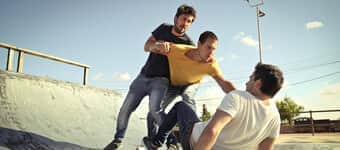
A heated argument at a Dodgers game spills into the parking lot. Two groups exchange punches; you swing once to protect yourself. Police arrive, charging everyone with rioting. Twist: If you're the victim of mistaken identity (wrong jersey?), or acted in self-defense (PC 692), charges crumble. We've won these by subpoenaing security footage.
These stories show rioting charges often overreach. Early investigation uncovers the truth.
Proven Defenses to Rioting Charges in California
Challenging a rioting accusation requires pinpointing weaknesses in the prosecution's case. Here are the most effective defenses, backed by case law:
- Mere Presence (No Participation): You were there but didn't act. PC 405 requires active involvement – passive observation isn't enough. Eyewitness testimony or cell phone videos often prove this.
- Self-Defense or Defense of Others (PC 692): If you used force to protect yourself from imminent harm, it's justified. Common in protest melees where agitators target individuals.
- Lack of Intent or Immediate Threat: For incitement (PC 404.6), speech must urge immediate violence – protected otherwise by Brandenburg v. Ohio standards. Vague chants? Not guilty.
- Mistaken Identity: Crowds blur faces; faulty lineups or biased witness IDs fail in court. DNA or alibis clear you fast.
- Entrapment or Police Overreach: If undercover officers provoked the riot, it's a slam-dunk motion to suppress evidence.
- Insufficient Evidence: Prosecutors must prove all elements; gaps in "power of execution" doom cases.
Our law firm has used bodycam footage to argue self-defense, reducing felony rioting to a citation. Success rates soar with forensic experts and motions to dismiss.