
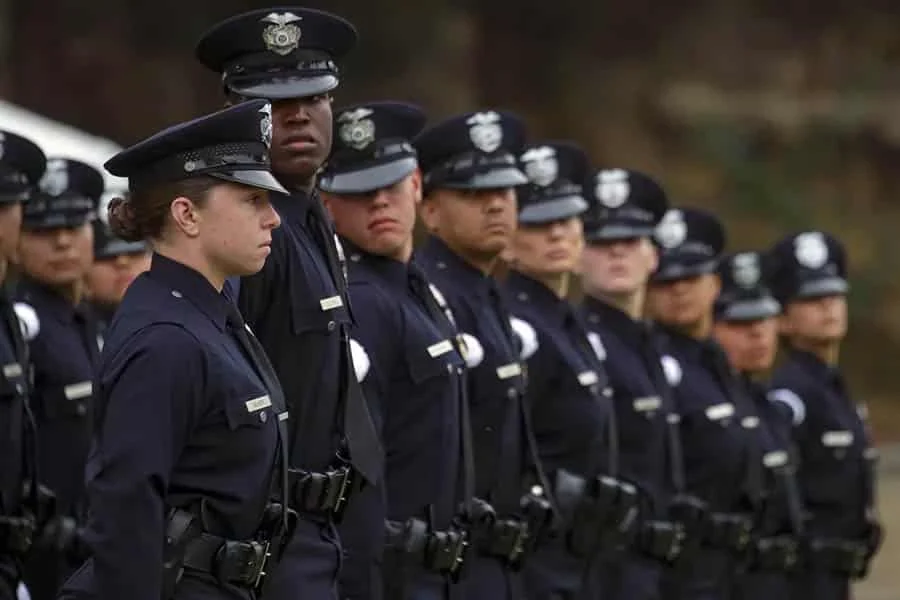
The LAPD says they are now using a new tool to help them lower the crime rate. What the LAPD is calling “predictive policing” is a technique were the police use a computer that takes data from all types of crime in a specific area.Computer algorithms take this data and maps out 500 square foot areas where certain crimes are more likely to happen. With this information cops who are patrolling will be able to pay more attention to this 500 square foot areas.The LAPD’s Foothill division had a crime free day on February 13th of this year. They attribute this day to the techniques mentioned above. The Foothill division covers an area of 50 square miles, making a day without crime possible is no easy feat.In attempts to keep the possibility of profiling the information this computer does not tell the police anything about race, gender or any individual person, according to Chief Mark Yokoyama of the Alhambra Police Department.Instead the computer looks at the current date, as well as time and location to predict crimes. With this technology the LAPD has already seen a reduction in crime rates over the last few years. How this “predictive policing” may evolve is not yet know, but it looks like the impact it is having on crime is already visible.
Legal insights
LAPD Using New Computer Techniques to Predict Crimes
Any case results or testimonials on this page are firm-published accounts. Each result portrayed depended on the facts of that case. Results will differ if based on different facts. No outcome is guaranteed.
Content adapted from the firm’s existing lapd using new computer techniques to predict crimes page. General information, not legal advice; individual circumstances and current law may differ. The original publication date is shown above.
A conversation can bring clarity.
Bring your questions and any documents you have. Our team can discuss the circumstances of your case and the next steps.
Prepare for your free initial consultationA reputation built on dedication
Awards & recognition












Know who you are calling
David S. Chesley, Esq.
California State Bar #236611 · Admitted June 2, 2005
View the official attorney record (opens in a new tab)A useful first conversation.
Discuss your charge and next court date. Ask who would handle your case, what representation would include, and how fees would work.
Prepare for a consultation