









Contact about a case in Orange
Call the Law Offices of David S. Chesley at (800) 755-5174 to discuss a criminal case in Orange.
Drug Crimes Lawyer Orange, CA
Arrested for a drug crime in Orange, CA? You need a defense team that knows how to fight California’s complex narcotics laws — and win. The Law Offices of David S. Chesley has earned a statewide reputation for aggressively defending clients against drug possession, trafficking, manufacturing, and prescription-related charges. Our drug crimes lawyers know the local Orange County courts, the prosecutors who file these cases, and the strategies that get them dismissed, reduced, or resolved without jail time.
With decades of combined criminal defense experience and a record of winning complex cases in Orange, throughout Orange County, and across California, our attorneys know how to challenge the state’s evidence, suppress unlawfully obtained material, and fight for the best possible outcome in your case.
Call the Law Offices of David S. Chelsey right away at (714) 442-2601 or contact us online to schedule a free, confidential consultation with an experienced Orange drug crimes lawyer.
Why Choose the Law Offices of David S. Chesley to Defend Your Drug Crime Charges in Orange, CA?
Hiring the right drug crimes lawyer in Orange can mean the difference between prison time and freedom. Our skilled team of attorneys has decades of experience defending clients throughout California, and we’ve earned a reputation for tough, strategic, and powerful courtroom advocacy.
When your freedom is at stake, you need more than just a lawyer. You need a fighter who refuses to back down. Here’s why thousands of clients have trusted David Chesley and his team to handle their drug crime cases in Orange:
- Decades of Courtroom Experience: Our firm has represented clients in every courthouse in Orange and the surrounding areas, including Fullerton, Santa Ana, and Newport Beach.
- Aggressive Defense Tactics: We challenge every flaw in the prosecution’s case, from illegal searches to unreliable witnesses.
- 24/7 Availability: Arrests for drug crimes don’t just happen from 9 to 5. Our Orange defense attorneys are available day or night to protect your rights.
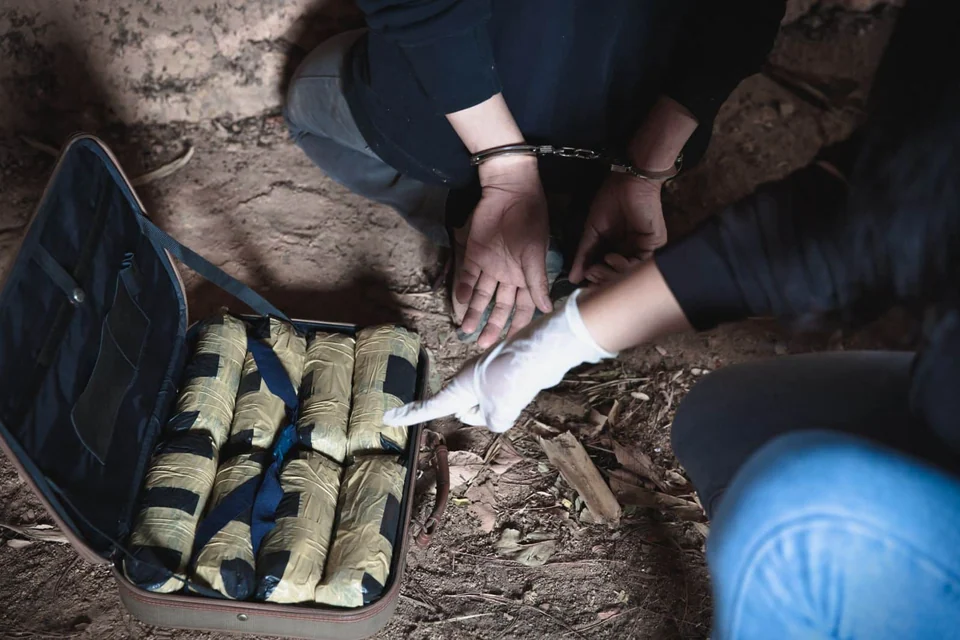
Types of Drug Charges We Defend in Orange, CA
Our firm represents clients accused of every type of controlled substance violation under California Health and Safety Code, including:
- Simple Possession (HSC §11350, §11377): Charges involving personal-use quantities of drugs such as:
- Possession for Sale (HSC §11351, §11378): Allegations of intent to distribute or sell based on quantity, packaging, or circumstantial evidence.
- Transportation and Trafficking (HSC §11352, §11379): Moving, importing, or distributing controlled substances across county or state lines.
- Manufacturing and Cultivation (HSC §11379.6): Accusations of producing, synthesizing, or growing illegal drugs.
- Marijuana Violations: Despite legalization, unlicensed sales, over-the-limit possession, or cultivation outside state guidelines remain criminal offenses.
- Prescription Drug Offenses: Illegal possession, sale, or fraud involving controlled prescription medications such as Xanax, OxyContin, or Adderall.
No matter the severity or scope of the drug crimes charge against you, our defense strategy focuses on weakening the prosecution’s case from every angle — whether that’s attacking the search, the lab results, or the credibility of witnesses.
Understanding California Drug Laws
California’s drug laws have evolved significantly in recent years, especially following Proposition 47, which reclassified many possession charges from felonies to misdemeanors. According to the most recent data after the passage of Prop. 47 in Orange County, felony drug crime arrests decreased by more than 76% (from 9,458 to 2,179) while misdemeanor arrests grew by 23% (49,811 to 61,398).
However, prosecutors continue to aggressively pursue trafficking and distribution cases, particularly those involving fentanyl, methamphetamine, and opioids. In Orange County, law enforcement agencies — including the Orange, CA Police Department, OC Sheriff’s Department, and local task forces — often rely on confidential informants, surveillance, and sting operations. These tactics can lead to unlawful searches or entrapment, both of which can be challenged in court.
At the Law Offices of David S. Chesley, we scrutinize how evidence was collected and whether your constitutional rights were violated. If the search or arrest was unlawful, we file motions to suppress evidence — a step that often leads to charges being reduced or dismissed entirely.
Penalties and Consequences for Orange, CA Drug Crime Convictions
The potential penalties for a drug conviction in Orange, CA depend on several factors, including the type and amount of substance, whether the alleged crime involved sales or distribution, and your prior record.
Common consequences include:
- Jail or prison time ranging from a few days to several years.
- Fines and court fees that can total thousands of dollars.
- Probation with strict conditions and mandatory drug counseling.
- Driver’s license suspension, even for possession cases.
- Impact on employment, housing, and professional licensing.
- Possible deportation or visa issues for non-citizens.
Our goal is to keep you out of custody and protect your long-term future. We often secure diversion programs, deferred entries of judgment, or drug court resolutions that help clients avoid a permanent criminal record while getting the treatment and support they need.
Effective Defenses to Drug Crime Charges in Orange, CA
Our Orange, CA drug crimes lawyers customize every defense to the specific circumstances of your case and pursue every available path to a reduced charge or dismissal. Every drug crimes case in Orange, CA and elsewhere in Orange County or statewide in California is unique, but successful defense strategies often include:
- Illegal Search and Seizure: Challenging stops, vehicle searches, or home raids conducted without probable cause or valid warrants.
- Lack of Possession: Proving that the drugs did not belong to you or that you were unaware they were present.
- Entrapment: Showing that law enforcement induced or coerced you into committing a crime you otherwise would not have committed.
- Invalid Lab Testing or Chain of Custody Issues: Questioning the accuracy of drug tests or whether evidence was properly preserved.
- Prescription or Medical Defense: Demonstrating lawful medical use or valid prescriptions under California law.

How the Three Strikes Law Impacts Drug Crimes in Orange, CA
California’s Three Strikes Law is designed to impose harsher penalties on defendants with prior serious or violent felony convictions. While many drug crimes are not classified as “strike” offenses, the law can still significantly increase the consequences of a conviction in certain situations.
A drug crime charge in Orange, CA can trigger the Three Strikes Law in one of three ways:
- If the new offense involves violence or a weapon.
For example, possessing drugs while armed or committing a drug-related robbery could count as a “strike” under California Penal Code §1192.7. - If the defendant has prior strike convictions.
Even if the current charge is not a strike offense, having one or more prior strikes on your record increases sentencing exposure: - A second strike can double your prison term
- A third strike (with two prior serious or violent felonies) can lead to a 25-years-to-life sentence, even for a nonviolent drug charge
- If the drug crime is tied to gang enhancement allegations.
Under PC §186.22, a gang enhancement can elevate certain drug-related crimes to strike-level offenses.
Prosecutors in Orange, CA and throughout Orange County seek to apply the Three Strikes Law to defendants with lengthy criminal histories or those accused of committing drug crimes alongside weapons, domestic violence, or gang activity. That’s why it’s crucial have an experienced Orange drug crimes attorney who knows how to challenge prior strikes, negotiate charge reductions, and file motions to “strike a prior strike” under People v. Superior Court.
At the Law Offices of David S. Chesley, we have extensive experience defending clients with prior convictions. Our Orange, CA drug crimes team carefully reviews every prior offense, identifies eligibility for dismissing or reducing prior strikes, and pursues sentencing alternatives that keep you out of a life sentence or long-term incarceration.
Frequently Asked Questions About Drug Crimes in Orange, CA
What happens if I’m arrested for drug possession in Orange, CA?
If you’re arrested for drug possession in Orange County, you’ll likely be charged under California Health & Safety Code §11350 or §11377, depending on the substance. First-time possession charges are often misdemeanors and may qualify for diversion programs or drug treatment alternatives instead of jail. However, possession for sale, manufacturing, or trafficking are felonies that carry much harsher penalties. Your drug crimes lawyer in Orange, CA can help you determine whether your case qualifies for dismissal or reduction through negotiation or diversion.
Can a drug charge in Orange, CA be dismissed?
Yes. Many drug cases are dismissed after a skilled Orange, CA defense attorney challenges the search and seizure process, questions the chain of custody, or reveals problems in how the evidence was handled. Other dismissals occur through pretrial diversion or successful motions to suppress when police violated your Fourth Amendment rights. The sooner you contact an attorney, the more options you have.
What’s the difference between possession and possession for sale in Orange, CA?
Possession for sale means prosecutors believe you intended to distribute or sell the drugs, which is a felony offense in Orange or anywhere else in California. They often rely on circumstantial evidence — such as large quantities, scales, packaging materials, or cash — to make that claim. A defense lawyer can often challenge those assumptions and demonstrate that the drugs were for personal use, reducing the charge to a misdemeanor or even securing dismissal.
Will I go to jail for a first-time drug offense in California?
In most cases, first-time offenders are eligible for alternatives to jail, including deferred entry of judgment (DEJ) or drug court. These allow defendants to complete treatment or counseling instead of serving time. Once completed, the charge may be dismissed or expunged, keeping your record clean.
Can a drug conviction in Orange, CA affect my immigration status?
Yes. Under federal law, any drug conviction — even a misdemeanor — can have serious immigration consequences, including deportation or denial of naturalization. It’s critical that non-citizens work with a defense attorney who understands both criminal and immigration law. The Law Offices of David S. Chesley regularly defends noncitizen clients and works to protect their legal status while resolving their criminal cases.
How long does a drug case typically take in Orange County?
The length of your case depends on its complexity and the court’s schedule. Misdemeanor possession cases may resolve within a few months, while felony trafficking or manufacturing charges can take longer — especially if your attorney files motions or prepares for trial. Our team prioritizes early intervention and proactive defense to reach the best outcome as efficiently as possible.
What should I do if the police searched me without a warrant?
Never assume a search was legal just because it happened. Law enforcement must have probable cause, a warrant, or a valid exception to conduct a search. If police searched your car, home, or person without justification, your lawyer can file a motion to suppress, which may exclude all illegally obtained evidence — often resulting in the case being thrown out.
Do I need a drug crimes lawyer if I plan to plead guilty in Orange, CA?
Yes. Even if you’re considering a plea, having a defense lawyer is essential. An experienced attorney can negotiate a favorable plea agreement, reduce charges, or secure non-conviction options that protect your future. Pleading guilty without legal counsel can lead to unnecessary penalties or long-term consequences that could have been avoided.
How can an Orange, CA drug crimes lawyer help me?
A knowledgeable Orange, CA drug crimes attorney investigates every detail of your arrest, reviews police procedures, and challenges weak evidence. The Law Offices of David S. Chesley focuses on reducing or eliminating charges, avoiding jail through alternative sentencing, and protecting your record from lasting damage. We fight aggressively to give you the best chance at a clean outcome and a second chance.
Get Help From an Experienced Drug Crimes Lawyer in Orange, CA. Call the Law Offices of David S. Chelsey Now.
If you’ve been accused of a drug offense in Orange or anywhere in Orange County, don’t face the system alone. The sooner you involve our defense team, the more options you have to fight back and protect your rights.
Call the Law Offices of David S. Chesley today at (714) 442-2601 or reach out online for a no-obligation case review. We’ll review your case, discuss the specifics, explain your options, and start building a defense that gives you the best possible outcome.
Reading the charge and the two drug-treatment laws
The complaint and citation matter more than a broad label such as “drug crime.” Simple possession under Health and Safety Code § 11350 or § 11377, being under the influence under § 11550, possession for sale under § 11351 or § 11378, and transportation for sale under § 11352 or § 11379 require different proof. If police found an item in a shared car or room, the government still has to prove knowing control of the charged substance; shared access alone neither proves nor defeats possession. If a sale allegation appears, ask what evidence supports intent to sell beyond the amount. If a transportation allegation appears, the current statutes require transportation for sale. Keep the complaint, release conditions, any search inventory and later lab result together so counsel can compare what was first alleged with what was actually filed.
PC 1000 today is pretrial diversion, not a present-day guilty-plea “Deferred Entry of Judgment” procedure. Penal Code § 1000 lists eligible offenses and history/charge conditions. Section 1000.1 says the defendant pleads not guilty, waives specified speedy-hearing and trial rights, and may enter a court-approved education or treatment program. The court dismisses an eligible charge after successful completion, a positive recommendation and the required motion within the statutory timing. Enrollment alone does not dismiss the case. Some court pages still use the older DEJ shorthand; the actual statutory procedure and signed order control. Section 1000.4 defines the qualified arrest-record effect and exceptions, including licensing and law-enforcement contexts. It permits, rather than automatically issues, a sealing order.
The 2024 Proposition 36 is different from the 2000 Proposition 36 treatment measure. The newer measure added Health and Safety Code § 11395, a treatment-mandated felony process for specified possession offenses and substances. Two prior convictions are relevant only if they are among the statutes listed in § 11395(c), are alleged in the charging paper, and are admitted or found true. A person who elects the statutory treatment path pleads guilty or no contest and admits qualifying priors, with judgment deferred while treatment proceeds. After successful completion, a positive recommendation and the specified motion, the court dismisses the charge and applies the arrest protections the law identifies. This is not automatic eligibility for anyone with “two drug priors,” and it should not be confused with current PC 1000. The old and new Proposition 36 paths have different plea and record consequences.
The defense review should match the charge to evidence: source and custody of any substance, laboratory identification, who controlled the location, statements and recordings, alleged sale indicators, search authority, and prior-conviction documents. A person considering treatment should ask about program length, cost, attendance, testing, consequences of noncompletion and whether the actual case qualifies. A noncitizen should obtain criminal and immigration advice before any admission or plea; a California dismissal does not answer every federal question. If professional licensing, employment, or a driving allegation also matters, raise it at the start rather than relying on a generic promise that a drug case will leave “no record.”
Evidence questions to bring to the first case review
Write a private timeline of the stop, search and arrest while details are fresh. Note who could access the vehicle, room, bag or device; where each item was located; what the officer said was observed; and whether a search warrant, claimed consent or other asserted authority appears in the report. Keep a copy of lawful prescription records, relevant messages, treatment documentation and any witness names for counsel. Do not ask others to coordinate stories or delete material. The defense may need to compare body-camera footage, dispatch records, laboratory notes and chain-of-custody records with the filed charge rather than relying on the arrest summary alone.
If the accusation is possession for sale, ask which facts are alleged to show intent to sell and whether the prosecution can actually link those facts to the accused person. Packaging, cash or phone messages can have more than one explanation; they do not replace proof of the statutory elements. If the accusation is transportation for sale, ask what supports the for-sale purpose rather than assuming any travel with a substance meets the charge. A manufacturing or cultivation count needs its own process, equipment, plant-count and control analysis. A firearm, school-zone, jail-entry or fentanyl enhancement must be identified separately in the papers and supported by the additional facts its statute requires. That distinction keeps a serious enhancement from being treated as an automatic consequence of the base drug count.
Finally, keep court and administrative papers separate. A possession citation is not itself a drug-impaired-driving charge. If officers also allege driving under the influence, review the vehicle-law count, test timeline and any DMV notice with counsel as distinct deadlines. If a case is dismissed or completed through diversion, request the final minute order and ask what record relief actually follows. The court’s order, not a generic online success story, determines the next administrative step.
































