
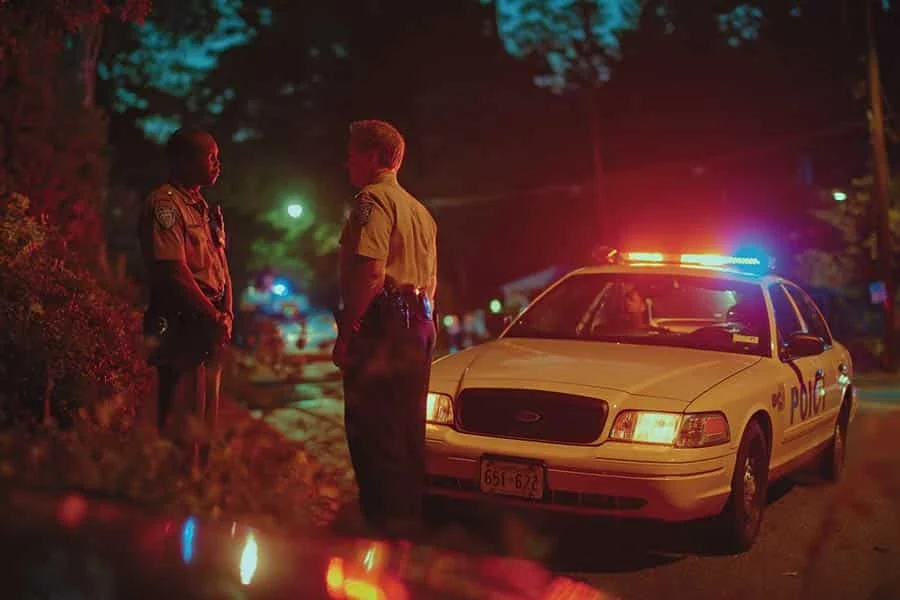
It’s an all too common scenario: the police make a routine traffic stop for some small infraction such as failing to use your turn signal. The next thing you know, the police are searching your car – looking under the seats, in the trunk, in the glove box, and rifling through your possessions. Then they find drugs and you’re charged with, at a minimum, possession of a controlled substance. The next thing you know, you’re being told that you could be facing jail time and a drug conviction on your permanent criminal record.We are taught to trust the police to do the right thing. We’re trained to give them our full cooperation. As a result, many of us give our consent when they ask the question, “do you mind if I search your vehicle?”Many people don’t stop to consider that the police may have violated their rights. These violations can be intentional or inadvertent, but in either case, there is a good chance that any evidence gathered through an illegal search can be thrown out. In cases involving drugs, this usually means that the prosecution will be forced to drop the case, allowing you to move on with your life as if the arrest never occurred. To determine whether the police violated your rights during a traffic stop, call the Law Offices of David S. Chesley today at 800-755-5174 or contact us online.When Can the Police Pull Me Over?Under both California law and the United States Constitution, citizens have the right to be free from “unreasonable search and seizure.” This means that the police cannot stop and search you or your car for no reason. It also means that they have to have a valid reason just to pull you over in the first place. Granted, they don’t need much of a reason – a broken tail light is sufficient – but they need some reason to make the traffic stop. If they don’t have a reason to stop you, the stop is illegal, and any evidence obtained as a result of the stop will not be admissible in court.Once Pulled Over, That Doesn’t Mean They Can Search Your VehicleThat said, having a valid reason to pull you over is not necessarily a valid reason to subsequently search your vehicle. A routine traffic stop for something like failing to use your turn signal does not give them a basis to search your vehicle inside and out. Generally speaking, the police need a search warrant to search your car. Otherwise, the police can only search your car in one of the following situations:
- You have given the police permission to search your vehicle.
- The police have “probable cause” to believe that there are illegal substances or other evidence of a crime.
- The police are arresting an occupant of the car, and the occupant is within reaching distance of the interior, or the police have reason to believe that the car contains evidence of the crime for which the occupant is being arrested.
- The police are temporarily detaining one of the occupants of the car and have reason to believe that the detainee is dangerous and has access to weapons stored in the car.
- The car has been impounded by the police and they are conducting an inventory of the contents of the vehicle.
- An officer attempts to pull over a vehicle, and the car speeds off, driving recklessly and obviously intending to avoid arrest.
- The officer observes the occupants of the vehicle attempting to dispose of or hide narcotics.
- During a routine traffic stop, the officer observes drugs in plain sight.
- The officer has been informed by an eyewitness that there are drugs in the vehicle.











